Third Grade School Shirt Design: An Embroidery Review
As a professional embroidery designer and product reviewer, I approach every new graphic asset with a critical eye. When evaluating the Third Grade - School Shirt Design, my primary concern is not just how it looks on a screen, but how it translates into thread on fabric. This design falls squarely within the Crafts and Graphics categories, targeting a specific niche of back-to-school apparel and milestone gifts. After examining the included digital items—specifically the SVG, DXF, PNG, JPEG, and EPS files—I have assessed its viability for real-world machine embroidery projects, commercial listings, and personalized gifts.
First Impressions and Visual Hierarchy
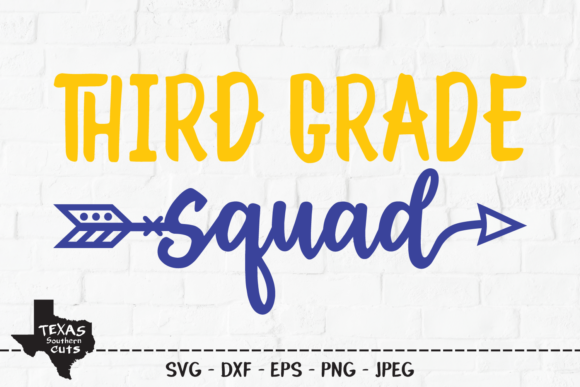
The initial mood of the Third Grade - School Shirt Design is celebratory yet structured. It captures that specific transitional excitement of moving up to third grade, balancing playful typography with clean lines suitable for stitching. From a designer’s perspective, the layout suggests a balanced composition that avoids overcrowding, which is crucial when converting vector graphics into stitch files. The visual personality feels nostalgic but modern, making it appropriate for both custom apparel and boutique merchandise.
However, a key detail in the product description notes that the text is not editable in Illustrator. For an embroidery digitizer or shop owner, this means you must treat the design as a fixed element. You cannot simply swap "Third Grade" for "Fourth Grade" without redigitizing or having advanced vector editing skills outside the provided assets. This limitation actually benefits the integrity of the design; it ensures that the spacing and kerning remain optimized for the intended aesthetic, preventing users from accidentally distorting the layout before stitching.
Real-World Application: The Sweatshirt Test
To truly judge this asset, I mentally placed it in a common production scenario: creating a custom embroidered sweatshirt for an Etsy listing. Third-grade milestones are popular for parents wanting to commemorate the start of "big kid" school years. In this context, the Third Grade - School Shirt Design serves as an excellent centerpiece for crewneck sweatshirts or hoodies.
When preparing this for sweatshirt embroidery, the high-resolution PNG (300 dpi) and transparent background are invaluable for creating printable mockups. Before I even hoop fabric, I use these files to show clients exactly what the finished product will look like. The clarity at 300 dpi ensures that marketing photos appear crisp, building customer trust and reducing return rates due to unmet expectations. For the actual embroidery project, the SVG and EPS files provide the clean vectors necessary for digitizing software to create smooth satin stitches and precise fill areas. If you are running a craft business, this dual utility—marketing asset plus production blueprint—is where the value lies.
Fabric Compatibility and Stabilizer Strategy
Not all fabrics welcome detailed school-themed graphics equally. Based on the design's likely complexity, here is how I recommend approaching different substrates:
- Cotton T-Shirts: Use a medium-weight cutaway stabilizer. The design likely contains text elements that require stability to prevent puckering. A tear-away might distort the letters after washing.
- Fleece and Sweatshirts: These are ideal for this design. The fabric texture hides minor stitch density variations, and the thickness supports detailed satin stitches. Use a water-soluble topping to keep the stitches from sinking into the fleece pile.
- Tote Bags and Canvas: The DXF file format is particularly useful here if you are using cutting machines for applique designs alongside embroidery. Canvas is unforgiving with registration errors, so ensure your hoop size is appropriate to minimize re-hooping.
- Baby Clothes and Thin Knits: Proceed with caution. If the design is dense, it may be too heavy for lightweight baby embroidery. Always test stitch density on a scrap piece first. You may need to reduce the size or simplify fill stitches to maintain the garment's drape.
Technical Considerations for Digitizers
While the product provides vector formats, it does not specify a pre-digitized embroidery file (like DST or PES). This distinction is vital for makers. You are purchasing design assets, not a ready-to-stitch file. As an experienced reviewer, I advise checking your licensing terms immediately. Confirm whether you can sell the finished embroidered product or if the license restricts commercial embroidery use.
When digitizing the Third Grade - School Shirt Design from the provided SVG or EPS, pay close attention to stitch direction. Text elements should generally follow the natural reading flow to maintain legibility. If the design includes intricate borders or small icons, verify that they are large enough to hold detail. Tiny lettering often fails in embroidery; if any text is under 0.2 inches tall, consider simplifying it to a running stitch or removing it entirely to preserve professionalism.
Where to Exercise Caution
Even versatile graphics have limitations. I would hesitate to use this specific design on curved surfaces like caps unless you have confirmed the aspect ratio fits a cap frame. School shirt designs are typically wider than they are tall, which conflicts with the narrow vertical space of most hat hoops. Similarly, avoid placing this design over seams, pockets, or zippers. The resulting uneven surface will cause flagging and poor stitch registration.
For dark fabrics, remember that the white background JPEG is for preview purposes only. You will need to adjust your thread colors and potentially add an underlay base when digitizing for black or navy garments. Without proper underlay, light thread colors will disappear into dark fabric texture, making the Third Grade - School Shirt Design look muddy and unprofessional.
Enhancing Product Value and Brand Consistency
Using consistent design assets like this helps establish brand recognition for Etsy sellers and small shop owners. When customers see a cohesive style across your holiday embroidery, personalized gifts, and back-to-school items, it signals reliability. The inclusion of multiple file formats allows you to diversify your offerings. You could use the PNG for sublimation tumblers and the SVG for embroidered patches, creating a matching set that increases average order value.
Furthermore, the non-editable nature of the text protects your niche. Since buyers cannot easily alter the grade level, the market is less saturated with low-quality variations. This exclusivity can justify a higher price point for your handmade products. Just ensure you communicate clearly in your listings that the design is specifically for third grade to avoid customer confusion.
Final Designer Recommendations
Before listing any item featuring the Third Grade - School Shirt Design, run a physical test. Check thread color contrast against your chosen fabric. Inspect small details under good lighting. Compare the stitched result against your digital mockup to ensure accuracy. This diligence separates hobbyists from professionals.
Ultimately, this design asset offers strong potential for custom apparel and commercial embroidery projects, provided you respect the technical requirements of machine embroidery. By leveraging the high-quality vectors for digitizing and the raster files for marketing, you can create polished, sellable goods that resonate with parents and students alike. Always verify your specific machine compatibility and hoop size requirements before beginning, and enjoy the process of bringing this milestone design to life in thread.