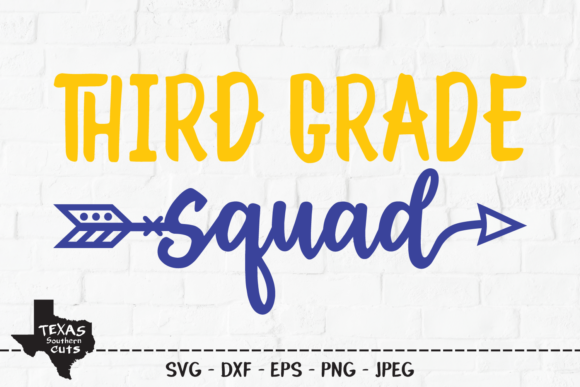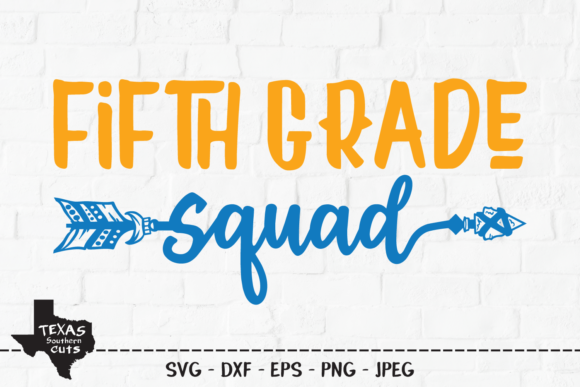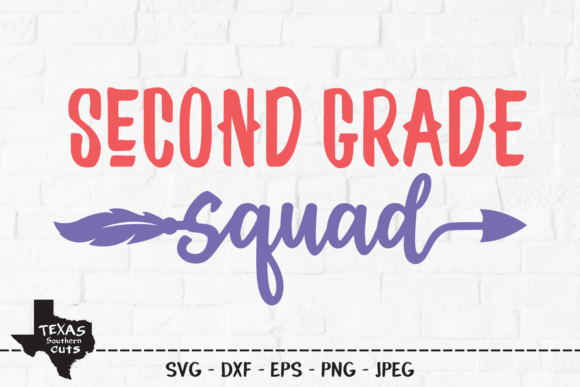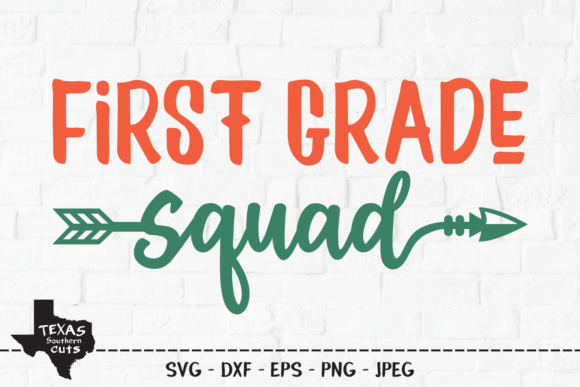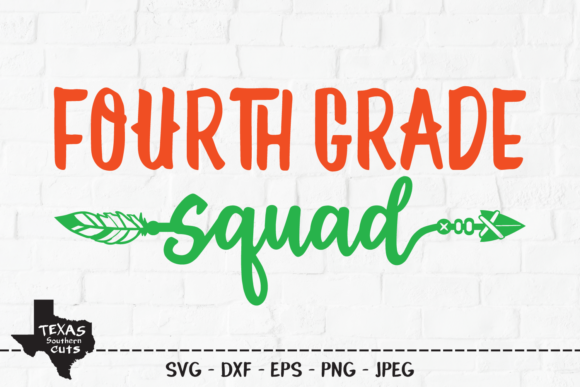
Fourth Grade School Shirt Design: An Embroidery Review
As a professional embroidery designer and product reviewer, I approach every new digital asset with a critical eye toward production viability. When evaluating the Fourth Grade - School Shirt Design, my primary focus is not just on the aesthetic appeal of the graphic, but on how it translates from screen to stitch. For craft business owners, Etsy sellers, and apparel decorators, a design must be more than cute; it must be functional, durable, and profitable. This review breaks down the practical realities of using this specific graphics package for real-world embroidery projects, moving beyond basic descriptions to offer actionable insight for your next production run.
First Impressions and Visual Hierarchy
Upon opening the included files, the immediate strength of this Fourth Grade - School Shirt Design lies in its clear visual hierarchy. The layout suggests a balanced composition that respects the negative space necessary for successful machine embroidery design. Unlike overly complex illustrations that can turn into thread mud when stitched, this graphic appears optimized for translation into textile art. The mood is celebratory yet structured, striking the right tone for end-of-year milestones or back-to-school excitement.
For those working in the Crafts category, specifically within Graphics, the inclusion of high-resolution assets is a significant advantage. The 300 dpi PNG with a transparent background and the white-background JPEG provide excellent reference points for digitizing or direct printing. However, as an embroiderer, I am most interested in the vector capabilities. The EPS file, customizable in Illustrator, is the gold standard here. It allows you to verify line integrity before committing to stitches. Note carefully that while the EPS is customizable, the text is not editable. This means if you need to change "Fourth Grade" to a specific student's name or a different year, you will need to remove the existing text elements and add your own typography manually. This limitation actually benefits commercial embroidery users by ensuring brand consistency across multiple products while allowing for necessary personalization.
Real-World Application: The Sweatshirt Test
To truly evaluate this design, I mentally applied it to a current client request: a custom embroidered sweatshirt for a fourth-grade graduation ceremony. Sweatshirts are a staple handmade product, but they present unique challenges due to fleece texture and fabric weight. In this scenario, the Fourth Grade - School Shirt Design serves as an ideal centerpiece because its shape likely accommodates the natural drape of a crewneck without distorting.
When planning this embroidery project, I considered how the design interacts with heavy cotton blends. If utilizing this as an applique design, the clean lines suggested by the vector format would allow for precise tack-down stitches, preventing fraying on fuzzy fabrics. If executing purely with thread, the design’s structure supports a mix of satin stitch for borders and fill stitch for interior areas. This combination creates necessary dimensionality on a flat garment. For small shop product listings, this versatility is key. You could showcase the same design on a tote bag design mockup and a sweatshirt embroidery sample, demonstrating value to potential buyers who want cohesive class merchandise.
Navigating Fabric Limitations and Hoop Sizes
While the design shows promise, experienced makers know that context dictates success. There are specific environments where you must exercise caution. First, consider the hoop size. Without explicit dimensions provided in the product description, you must measure the SVG or EPS artwork before purchasing. Ensure the design fits your machine’s maximum embroidery area with adequate margin for stabilizer tension. If you intend to use this for baby embroidery or small patches, verify that the details remain legible when scaled down. Tiny lettering or intricate corners often fail below certain thresholds, turning into indistinguishable blobs of thread.
Fabric texture also demands attention. On textured fabrics like terry cloth towels or pique polos, running stitch outlines can get lost. You may need to increase stitch density or add an underlay foundation to create a smooth platform for the top stitches. Conversely, on thin or stretchy fabrics like performance tees, excessive density can cause puckering or fabric tearing. Always pair this design with appropriate stabilizer; a cut-away backing is generally safer for knits, while tear-away may suffice for stable wovens. Dark fabrics present another variable. Since the provided PNG has a transparent background, visualize how the design reads against navy or black material. You may need to adjust thread colors or add a light outline to maintain contrast and visibility.
Commercial Viability and Professional Presentation
For Etsy sellers and creative entrepreneurs, the professionalism of your finished product directly impacts customer trust and sales velocity. The Fourth Grade - School Shirt Design contributes to this by offering clean, scalable vectors rather than pixelated raster images. High-quality design assets lead to crisp printable mockups, which are essential for pre-selling custom apparel before you even thread a needle. When customers see sharp, accurate previews, their confidence in your craft business increases.
However, always confirm licensing terms before listing items. While the files support commercial creation, verifying whether you can sell the digital embroidery file itself versus only the physical finished product is crucial. Intellectual property protection matters in the digital product marketplace. Furthermore, consistent use of high-quality graphics like this helps establish brand recognition. If your shop specializes in school spirit wear, maintaining a cohesive style across grade levels builds a loyal customer base returning annually for personalized gifts and holiday embroidery orders.
Essential Designer Notes for Production Success
Before launching this design into full production, adhere to these practical protocols to ensure quality and minimize waste:
- Test Stitch First: Never run a final product without a test sew-out on scrap fabric similar to your target garment. Check registration, tension, and overall feel.
- Verify Text Legibility: Since text is not editable, ensure the existing font size meets minimum embroidery standards (usually 6mm height for satin stitch letters). If scaling down, replace text with simpler block fonts.
- Check Color Contrast: Review thread colors against both light and dark backgrounds. What works on white cotton may vanish on heather grey.
- Stabilizer Selection: Match stabilizer weight to fabric stability, not just design density. Stretchy knits require cut-away; stable wovens can use tear-away.
- Mockup Accuracy: Use the 300 dpi transparent PNG for realistic digital previews, but remember that thread has sheen and texture that print cannot replicate. Manage customer expectations accordingly.
- File Format Awareness: Utilize the DXF or SVG for cutting machines if creating hybrid appliqué projects, and reserve the EPS for vector editing or professional digitizing software import.
Final Thoughts on Value and Versatility
The Fourth Grade - School Shirt Design represents a solid asset for makers focused on educational milestones and youth apparel. Its strength lies in its adaptability across various mediums, from embroidered patches to custom apparel. By respecting the technical requirements of machine embroidery—particularly regarding fabric interaction, stabilizer choice, and scale limitations—you can transform this digital graphic into a high-value handmade product. Remember that successful commercial embroidery relies as much on technical execution as artistic selection. Use the provided vector files to customize responsibly, test rigorously, and present professionally. When executed with care, this design has the potential to become a reliable bestseller in your seasonal catalog, satisfying both the sentimental needs of parents and the quality standards of discerning buyers.