Second Grade School Shirt Design: A Maker’s Review
First Impressions and Visual Personality
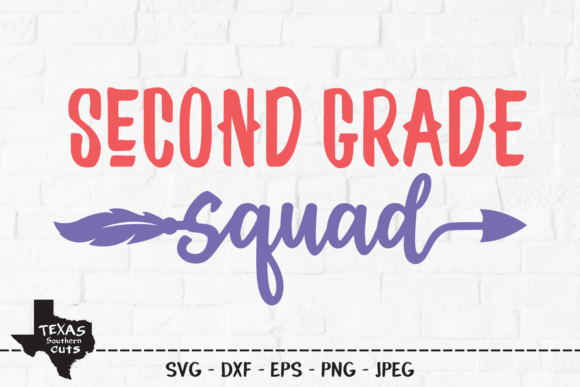
When evaluating the Second Grade - School Shirt Design, my immediate focus is on its versatility as a foundational graphic for both digital crafting and physical production. As a designer who frequently bridges the gap between screen-printed aesthetics and stitched reality, I look for clean lines and intentional spacing. This design succeeds in creating a nostalgic yet modern academic mood. The layout feels balanced, avoiding the cluttered look that often plagues grade-specific graphics. It possesses a visual personality that is celebratory without being childish, making it appropriate for a wide demographic ranging from proud parents to teachers and school administrators.
The inclusion of high-resolution assets, specifically the 300 dpi PNG with a transparent background and the white-background JPEG, suggests this file was prepared with professional output in mind. For those of us in the Crafts category, having a crisp raster image is essential for creating accurate printable mockups before committing thread to fabric. The EPS file offers vector scalability for those using Illustrator, though it is crucial to note that the text is not editable. This limitation actually serves as a quality control feature; it ensures the typography remains consistent and legible, preventing users from accidentally distorting the letterforms when resizing for different embroidery projects.
Real-World Application: The Custom Sweatshirt Test
To truly judge this asset, I mentally placed it into a real-life scenario: creating a custom crewneck sweatshirt for a "Back to School" boutique collection. In this context, the Second Grade - School Shirt Design needs to perform as more than just a cute graphic; it must function as a viable machine embroidery design or heat transfer template. When visualizing this on a heavyweight cotton fleece, the design’s structure lends itself beautifully to a mixed-media approach.
For a sweatshirt embroidery project, I would utilize the SVG or DXF files to create a cut file for an appliqué base, using the PNG as a placement guide. The bold shapes implied by this grade-level theme are ideal for applique design work, where layers of fabric create depth without excessive stitch density. If stitching directly, the design translates well to a combination of satin stitch borders and fill stitch interiors. However, because the text is fixed, I would treat this graphic as a central motif and add personalized names or years using separate, compatible font files. This strategy maintains the integrity of the original Graphics while allowing for the customization that Etsy sellers and small shop product creators rely on to drive sales.
Navigating Fabric Challenges and Technical Limits
While the aesthetic is strong, practical application requires caution regarding substrate selection. The Second Grade - School Shirt Design will perform exceptionally well on stable, medium-weight fabrics like canvas tote bags, denim jackets, or quilting cotton. However, I advise hesitation when applying this to highly textured or stretchy materials without significant modification.
- Stretchy Knits: If using this for baby clothes or lightweight tees, the design area must be stabilized heavily. A cut-away stabilizer is non-negotiable to prevent puckering, especially if the design contains dense fill areas.
- Textured Fabrics: On terry cloth towels or minky blankets, fine details can get lost. You may need to add a topping stabilizer or simplify the design elements to ensure the running stitch outlines remain visible above the pile.
- Curved Surfaces: For caps or curved sleeves, verify the aspect ratio. A flat graphic designed for a shirt front may distort when hooped for a cap. Always test the curvature compatibility before running a full production batch.
- Small Hoop Sizes: If scaling down for a pocket logo or sleeve cuff, inspect the smallest text elements. Fixed text in graphics can become illegible below certain thresholds. If the letters merge during a test stitch-out, the design is too detailed for that specific hoop size.
Understanding these limitations protects your reputation as a maker. A distorted or unreadable finished product damages customer trust far more than declining a difficult order would.
Commercial Viability and Brand Consistency
For creative entrepreneurs and handmade shop owners, this design asset offers significant commercial potential, provided it is used strategically. The clean, professional resolution supports high-quality listing photos, which directly impacts buyer engagement. When customers see a sharp, well-digitized preview, they perceive higher value in the custom apparel or personalized gift being offered.
However, brand consistency is key. Because the text within the Second Grade - School Shirt Design cannot be edited, it acts as a static anchor piece. Successful sellers will build a cohesive collection around this anchor, pairing it with complementary fonts and icons that match its weight and style. This creates a recognizable boutique aesthetic rather than a disjointed assortment of random clip art. Whether you are producing holiday embroidery items, teacher appreciation gifts, or standard back-to-school gear, maintaining this visual thread builds recognition and professionalism.
Furthermore, the availability of multiple formats (SVG, DXF, EPS, PNG, JPEG) makes this a versatile asset for hybrid businesses. You can use the same source file to create vinyl decals for tumblers, sublimation prints for mugs, and embroidered patches for backpacks. This cross-platform utility maximizes the return on investment for digital product sellers and apparel decorators alike.
Essential Designer Notes for Success
Before adding this design to your inventory or starting a client project, adhere to these professional best practices to ensure optimal results:
- Verify Licensing: Always confirm whether your purchase includes commercial rights for selling finished goods versus digital files. The distinction matters significantly for Etsy sellers and craft business owners.
- Test Stitch First: Never run a final embroidery project based solely on a screen preview. Stitch out the design on scrap fabric that matches your final garment's weight and texture. Check for registration issues between color changes.
- Check Contrast: Evaluate the design in black and white mockups to ensure it reads clearly without relying solely on color differentiation. This is vital for accessibility and for ensuring the design pops on both light and dark fabrics.
- Assess Density: If converting the vector or raster file into a digital embroidery file yourself, monitor the stitch density. Overly dense areas can cause needle breaks or fabric distortion, while sparse areas may look cheap.
- Mockup Accuracy: Use the included 300 dpi PNG to create realistic printable mockups. Avoid stretching or warping the image in your presentation software, as this sets false expectations for the buyer regarding the final proportions.
- Color Matching: Since the provided files are visual references, select your thread colors based on physical swatches against the actual garment, not just the screen representation. Screen calibration varies, but thread is permanent.
The Second Grade - School Shirt Design is a robust starting point for makers who understand how to translate digital graphics into tangible goods. By respecting the technical constraints of embroidery and leveraging the high-quality assets provided, you can create handmade products that delight customers and stand up to the rigors of daily wear. Whether you are crafting a single personalized gift or stocking a boutique, thoughtful execution is what transforms a simple graphic into a cherished keepsake.