My Students Are on Point: A Designer’s Embroidery Review
As a professional embroidery digitizer and product reviewer, I approach every new graphic asset with a specific question: will this actually stitch out cleanly on fabric? When evaluating My Students Are on Point, my assessment goes beyond the screen. While this product is categorized under Crafts and Graphics and includes EPS, SVG, PNG, and DXF files primarily marketed for scrapbooking, cut machines, and vinyl, an experienced maker knows that versatile vector art often serves as the foundation for excellent machine embroidery designs. However, translating a digital clip art file into a successful embroidered patch or sweatshirt requires technical foresight. Here is my practical evaluation of how this teacher quote design performs when adapted for real-world textile projects.
Visual Personality and Project Suitability
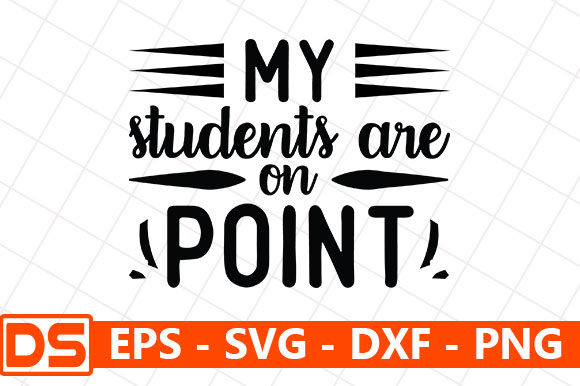
The phrase "My Students Are on Point" carries a distinct mood. It is celebratory, proud, and inherently positive without being overly cutesy. From a design perspective, this sentiment demands a layout that balances professionalism with warmth. When I look at this graphic, I immediately envision it as a centerpiece for custom apparel rather than intricate home decor. The typography likely features clean lines or playful serifs that suggest clarity—fitting for the "on point" theme.
For Etsy sellers and handmade shop owners, this design naturally belongs in the back-to-school niche or end-of-year teacher appreciation collections. It avoids the generic "Best Teacher Ever" trope, offering something more specific that resonates with educators who value student growth. As a digital embroidery file source, its strength lies in its potential for bold, readable text. If you are converting this graphic into an embroidery project, prioritize legibility over ornate decoration. The visual personality suggests it would perform best as a left-chest logo on a polo, a centered chest design on a crewneck sweatshirt, or a prominent graphic on a canvas tote bag design.
Real-World Application: The Custom Sweatshirt Test
To truly judge this asset, let us apply it to a common scenario: creating a personalized gift for a retiring teacher or a boutique product for a school fundraiser. Imagine stitching this onto a mid-weight cotton fleece sweatshirt. Fleece is unforgiving; it has texture and pile that can swallow fine details.
In this context, My Students Are on Point needs to be treated with intention. If the original graphic contains thin hairline elements or distressed textures common in print graphics, they must be modified before digitizing. For a sweatshirt embroidery application, I would recommend converting key elements into satin stitch columns no narrower than 1mm to prevent sinking into the fabric. Fill stitches should have adequate underlay to stabilize the fleece pile. If the design includes small accent icons (like pencils or stars), ensure they are large enough to maintain stitch clarity. A 4x4 hoop size might suffice for a pocket placement, but for a full-front statement piece, a 5x7 or larger hoop size allows the text to breathe. This scale ensures the message remains impactful and readable from a distance, which is crucial for commercial embroidery visibility at school events.
Technical Considerations for Fabric and Stability
While the ZIP file provides excellent vector formats for vinyl and cutting, using these assets for embroidery introduces variable challenges depending on your substrate. Not all fabrics treat teacher quotes equally.
- Stretchy Knits and T-Shirts: This design will require significant stabilization. Use a high-quality cut-away stabilizer to prevent puckering around the lettering. Because the phrase implies precision ("on point"), any fabric distortion caused by poor hooping or inadequate stabilizer will visually contradict the message.
- Tote Bags and Canvas: These are ideal candidates. The firm weave of canvas supports higher stitch density without warping. Here, you can utilize tighter running stitch outlines or detailed fill patterns that might fail on knitwear.
- Caps and Curved Surfaces: Exercise extreme caution. Unless the design is specifically digitized for caps with proper pull compensation and center-out sequencing, flat artwork adapted for curved surfaces often leads to registration errors. Test thoroughly before committing to a batch of hats.
- Baby Embroidery and Delicates: If adapting this for baby clothes or nursery decor, reduce the stitch density significantly. Heavy fill stitches on lightweight cotton can create stiff, uncomfortable patches. Consider an applique design approach where fabric pieces form the letters, secured with a narrow satin stitch border, to keep the finished product soft and flexible.
Where to Exercise Caution
Even the best graphics have limitations when stitched. Be wary of using My Students Are on Point in extremely small formats. Tiny lettering is the enemy of embroidery clarity. If the design must fit within a 3-inch width, simplify the artwork. Remove interior details, increase spacing between characters, and opt for block fonts over scripts. Additionally, dark fabrics present contrast challenges. Ensure your thread colors provide sufficient pop against navy or black garments; otherwise, the intricate work gets lost. Always check whether the design works for both personal and commercial projects by reviewing the licensing terms included with your purchase before listing finished products in your craft business.
Impact on Product Value and Customer Trust
For creative entrepreneurs and small shop product lines, execution defines perceived value. A poorly stitched teacher quote looks amateurish and devalues the brand. Conversely, a crisp, well-digitized version of My Students Are on Point signals professionalism. When customers see clean satin edges, consistent fill coverage, and proper alignment, their trust in your handmade product increases.
This design also offers excellent versatility for printable mockups and digital product previews. Before you even thread a needle, use the included PNG or SVG files to create realistic digital mockups for your Etsy listings. Show the design on various backgrounds—light, dark, textured—to help buyers visualize the final result. However, always disclose if an image is a digital rendering versus a photo of actual stitch-out. Transparency builds buyer engagement and reduces returns. The recognizability of this phrase, combined with high-quality presentation, makes it a strong candidate for holiday embroidery gifts or boutique branding items that teachers actually want to wear and display.
Essential Designer Notes Before You Stitch
Before loading this design into your machine or sending it to a contract embroiderer, follow this practical checklist:
- Verify File Compatibility: The provided EPS, SVG, PNG, and DXF files are vector/raster formats, not native embroidery files (like PES, DST, or JEF). You or your digitizer must convert them. Do not assume auto-digitize software will produce production-ready results without manual editing.
- Test on Scrap Fabric First: Never stitch directly onto a customer’s garment or expensive inventory without a test run. Check stitch density, thread tension, and color contrast on a similar fabric weight.
- Inspect Small Details: Zoom in on the converted embroidery file. Are there jump stitches crossing open areas? Is the text height above 4mm for readability? Adjust as necessary.
- Evaluate Stabilizer Pairing: Match your stabilizer to the fabric, not just the design. Tear-away for stable wovens, cut-away for knits, and water-soluble toppings for high-pile fabrics like towels or fleece.
- Confirm Licensing: Re-read the license agreement. Some graphics allow personal use only, while others permit commercial sale of physical embroidered items but prohibit reselling the digital embroidery file itself. Protect your business by staying compliant.
- Mockup in Black and White: Viewing the design in grayscale helps identify value contrast issues that color might mask. If the design reads poorly in monochrome, adjust your thread palette.
My Students Are on Point is more than just a clever saying; it is a versatile asset with strong potential for the embroidery market when handled correctly. By respecting the technical requirements of textile decoration and leveraging the clean vector foundations provided, makers can transform this graphic into profitable, professional-grade merchandise. Whether you are crafting a personalized gift, stocking your Etsy shop with teacher apparel, or fulfilling a bulk order for a school district, thoughtful adaptation of this design ensures the final product truly lives up to its name. Remember that success in machine embroidery lies not just in the artwork you start with, but in the technical decisions you make along the way. Happy stitching!