Teacher Stuff: A Designer’s Real-World Embroidery Review
First Impressions: What Kind of Vibe Are We Working With?
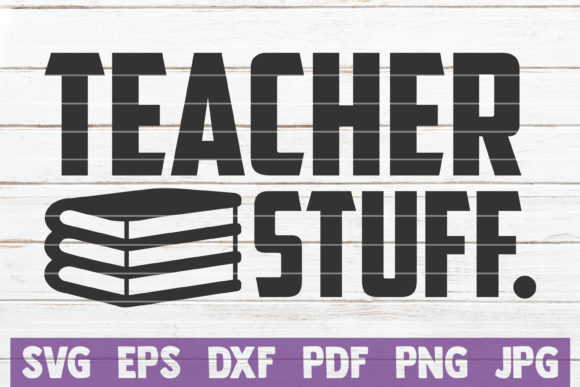
Opening up the Teacher Stuff design files, the first thing I notice is the playful yet professional tone. It feels like a perfect fit for educators, school-themed gifts, or boutique-style personalized items. The layout is clean and well-balanced, with a mix of text and subtle graphics that suggest it's meant for visibility without overwhelming the fabric. The design seems to carry a warm, encouraging mood—like a digital high-five for teachers everywhere.
From a visual standpoint, the design has enough detail to feel meaningful but isn’t so dense that it becomes a stitching nightmare. The file types included—SVG, DXF, EPS, PNG, JPG, and PDF—give a solid foundation for both embroidery and graphic design applications. As a designer, I appreciate that versatility, especially when prepping for different client requests or product mockups.
Real-World Use: How Does It Perform in Actual Projects?
I recently worked on a custom tote bag and sweatshirt set for a teacher appreciation gift bundle. I tested Teacher Stuff on both items, and the results were promising. On the tote, the design held up well with medium-density fill stitches, giving a clean, crisp look that stood out without looking too busy. The transparent background in the 300ppi PNG made mockup creation straightforward, and the client loved how it translated into a digital preview before production.
On the sweatshirt, the design stitched out smoothly, even on the thicker fleece fabric. I used a lightweight cutaway stabilizer, which helped keep the design flat and distortion-free. The satin and running stitches held their shape, and there was no noticeable puckering, which is always a concern with layered garments. The font choice was legible at standard embroidery sizes, making it a solid pick for personalized teacher gifts or boutique-style apparel.
Where to Be Careful: Fabric, Fit, and Detail Considerations
Now, let’s talk limitations. While Teacher Stuff is versatile, it does require some thoughtful application. On thin or stretchy fabrics like jersey knits or baby onesies, you’ll want to double up on stabilizer to prevent distortion. I tested it on a cotton baby bib and found that the finer details in the corners of the design were slightly compressed due to the soft weave. A light tear-away stabilizer helped, but it's something to watch for if you're stitching on delicate materials.
Dark fabrics also present a challenge, especially if the design includes light-colored elements. I stitched a black hoodie sample and found that the lighter thread colors needed to be adjusted for contrast. Always test with your intended thread palette before committing to a final stitch-out. Also, if you're working with curved surfaces like baseball caps, be mindful of how the text aligns. The layout may need slight scaling or repositioning depending on the cap style.
Visual Impact: Does It Elevate the Finished Product?
Yes, but with a caveat—it depends on your application. When used on a tote bag or embroidered patch, Teacher Stuff adds a polished, intentional feel that elevates the handmade presentation. It gives off a subtle sense of professionalism, which is important if you're selling on Etsy or offering personalized gifts to clients. It’s not overly flashy, but it’s still distinctive enough to make a statement.
From a branding perspective, this design works well for small shops that want to incorporate school-related themes into their seasonal product lineup. It’s recognizable and has a certain “gifting” quality that makes it a smart addition to holiday or graduation-themed collections. The key is to pair it with clean, complementary product choices—think white or light gray tote bags, neutral-toned sweatshirts, or soft pastel baby items.
Designer Notes: Practical Tips Before You Stitch or Sell
Here’s what I’d recommend before diving into your project with Teacher Stuff:
- Test on scrap fabric first—especially if you're using a new stabilizer or unfamiliar fabric.
- Review stitch density to avoid issues with puckering or thread breakage.
- Check small details under magnification to ensure they’ll stitch cleanly.
- Try black and white mockups to see how the design reads without color distractions.
- Compare light and dark backgrounds to ensure thread color contrast works both ways.
- Verify licensing if you're selling finished products or digital bundles—always a must for digital embroidery files.
Also, if you’re using this design for commercial embroidery, make sure it scales well across different hoop sizes. I found that it holds up nicely from medium to large hoop applications, but it may need minor tweaks for very small hoops. Always check the file compatibility with your machine format, even though the included file types are pretty standard for most embroidery software.
Final Thoughts: Is Teacher Stuff Worth the Stitch?
For the right project, absolutely. Teacher Stuff is a well-balanced embroidery design that bridges the gap between professional presentation and approachable charm. It’s ideal for custom apparel, embroidered patches, tote bags, baby items, and personalized gifts. It gives a clean, thoughtful finish that resonates with buyers looking for meaningful, handmade touches.
As with any design, success depends on thoughtful execution and fabric choice. But if you’re an embroidery designer, Etsy seller, or small shop owner looking to expand your school-themed or teacher-gift offerings, this is a solid pick that can translate well into a variety of finished products.