Allow Adversity to Be Your Teacher: A Designer’s Real-World Review for Embroidery Projects
When I first downloaded *Allow Adversity to Be Your Teacher*, I wasn’t sure what to expect. The title alone caught my attention—it felt personal, reflective, and potentially meaningful for someone looking to add emotional depth to a custom design. As a designer who regularly evaluates embroidery files for client work and personal craft listings, I always look beyond the surface. This design, categorized under Crafts and Graphics, promised versatility across a range of handmade and commercial applications. But would it deliver in real stitching situations?
First Impressions: Mood, Style, and Design Language
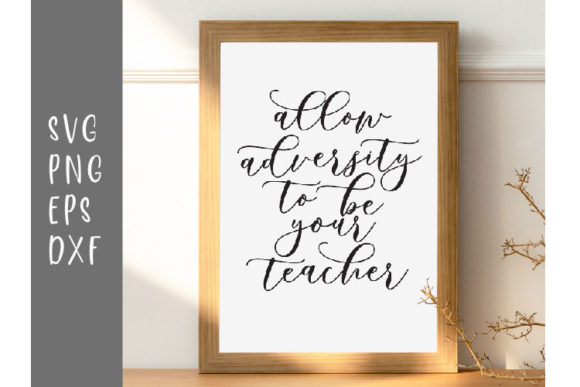
The moment I opened the preview, I noticed the elegant script and subtle flourishes that give *Allow Adversity to Be Your Teacher* a warm, introspective tone. It’s not overly ornate, but it carries enough visual interest to stand out on a tote bag or embroidered sweatshirt. The layout feels intentional—balanced, with a slight rightward tilt that gives it a soft, flowing energy. It doesn’t scream motivational poster; instead, it whispers like a personal mantra.
From a design standpoint, this is the kind of embroidery file that works best when the message matters as much as the medium. It fits naturally into boutique-style apparel, personalized baby items, or even embroidered gift tags for a meaningful touch. The detail level isn’t overly dense, which is a plus for smaller hoop sizes or less experienced embroiderers.
Real-World Embroidery Testing: From Tote Bags to Sweatshirts
I tested *Allow Adversity to Be Your Teacher* on a few different materials to get a sense of how it would perform outside of digital mockups. Starting with a cotton tote bag, the design stitched cleanly with minimal thread breaks. The satin stitch outlines held up well, and the fill stitch areas didn’t pull or pucker the fabric. It looked clean and professional, especially with a neutral thread palette that didn’t distract from the message.
Next, I tried it on a heavier sweatshirt fabric. The thickness of the material helped absorb the stitch density, and the result was crisp and well-defined. I could see this working well for Etsy sellers offering cozy, motivational apparel or custom gifts for friends and family. It also translated nicely onto a baby onesie—though I had to reduce the design size slightly, which made the lettering a bit tighter than I’d prefer. For infant items, I’d recommend using it as-is on larger garments or choosing a simpler font alternative for smaller spaces.
I also stitched it onto a curved cap surface, and while the machine handled the shape, the design’s fine details—especially the tail ends of the letters—were slightly distorted. It’s a reminder that *Allow Adversity to Be Your Teacher* is better suited for flat or gently curved surfaces rather than highly contoured items like baseball caps.
Where to Use with Caution
Like any detailed embroidery file, *Allow Adversity to Be Your Teacher* has its limitations. I noticed that on thin cotton fabric, the stitch density created some visible puckering, especially around the more elaborate letterforms. Using a lightweight stabilizer helped, but it’s something to keep in mind if you’re planning to embroider on delicate materials like gauze or sheer linens.
Dark fabric also posed a challenge. While the design itself doesn’t include a lot of color variation, I found that white thread on black fabric made some of the finer strokes harder to see. If you’re using this on darker garments, consider a contrasting thread or adding a subtle outline in a darker shade to enhance legibility.
Layered garments like hoodies or thick jackets can swallow the design if not scaled appropriately. I’d recommend testing the size and thread thickness first to ensure the message still reads clearly after stitching.
Impact on Product Value and Customer Perception
One of the things I appreciate most about *Allow Adversity to Be Your Teacher* is how it elevates the perceived value of a finished product. Whether you’re creating a personalized tote for a customer or a boutique sweatshirt for your shop, this design adds a layer of meaning that resonates emotionally. It’s not just decorative—it tells a story.
From a branding perspective, this kind of embroidery works well for small businesses that want to infuse personality into their merchandise. If you sell on Etsy or at craft fairs, designs like this can help differentiate your offerings from generic, mass-produced items. It also enhances giftability—customers are more likely to purchase something meaningful for a friend or loved one when the design itself feels intentional.
Design Tips for Best Results
Before using *Allow Adversity to Be Your Teacher* in any project, here are a few practical notes based on my experience:
- Always test the design on scrap fabric first, especially if you’re unsure about thread colors or fabric texture.
- Check stitch density to avoid puckering on thinner materials.
- Confirm that the hoop size matches your machine’s capabilities, especially if you’re scaling the design up or down.
- Inspect small details like flourishes and letter spacing—some elements may not translate well when resized.
- Try a black and white mockup to see how the design reads without color distractions.
- Compare how it looks on both light and dark backgrounds to ensure clarity and contrast.
- Use the appropriate stabilizer for your fabric type—especially important for stretchy or textured materials.
- Review licensing terms before selling finished items or digital products that include this design.
Final Thoughts for Crafters and Sellers
*Allow Adversity to Be Your Teacher* is more than just an embroidery file—it’s a message that can elevate your handmade products and connect with customers on a deeper level. Whether you’re a small shop owner, Etsy seller, or creative entrepreneur, this design has the potential to add both visual and emotional value to your offerings.
It works best on flat surfaces like tote bags, sweatshirts, and pillow covers, and it shines brightest when the message is clear and the stitching is clean. Use it thoughtfully, test it thoroughly, and you’ll find it’s a versatile addition to your design assets.