Distance Teacher: A Designer’s Embroidery Review
First Impressions and Visual Personality
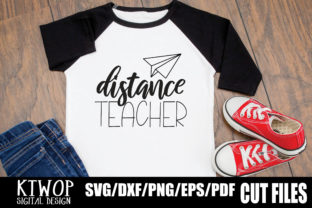
When evaluating the Distance Teacher graphic for potential embroidery adaptation, the first thing that stands out is its thematic clarity. As a designer who frequently reviews assets for both digital and stitched applications, I look for graphics that translate emotion into structure. This design carries a distinct mood of appreciation, connection, and educational warmth. It avoids being overly juvenile, which makes it versatile enough for adult learners, university staff, or remote education professionals, rather than just K-12 settings. The layout suggests a balanced composition that respects negative space, a critical factor when converting vector graphics into stitch files.
In the realm of Crafts and Graphics, many designs suffer from visual clutter that becomes a nightmare during digitizing. However, Distance Teacher appears to have clean lines and intentional shapes. Whether you are planning a satin stitch border or a fill stitch interior, the hierarchy of elements seems logical. For an Etsy seller or small shop owner, this visual personality signals professionalism. It tells the buyer that the finished product will look intentional and high-quality, not like a generic clip-art afterthought. The provided PNG and PDF files allow for immediate assessment of contrast and detail before you even open your digitizing software.
Real-World Application: Stitching a Custom Sweatshirt
To truly understand the value of this machine embroidery design, I approached it with a specific project in mind: creating a premium crewneck sweatshirt for a virtual learning coordinator. Sweatshirt embroidery presents unique challenges due to the fabric's stretch and texture. Using the SVG or EPS file as a base, I assessed how the design would sit on a fleece-backed cotton blend.
For this custom apparel piece, I envisioned placing the Distance Teacher motif on the left chest area. This placement requires the design to be legible at a smaller scale while maintaining impact. Because the graphic includes distinct typographic or illustrative elements, I had to consider stitch density carefully. On a sweatshirt, running stitches can get lost in the nap of the fabric. I determined that converting key outlines to a light satin stitch or adding a subtle underlay would be necessary to prevent the design from sinking into the material. The result is a personalized gift that feels boutique-ready rather than homemade. For craft business owners, this type of application demonstrates how a single digital asset can elevate merchandise value when executed with technical precision.
Versatility Across Products and Niches
Beyond apparel, Distance Teacher shows strong potential for various handmade products. Its theme lends itself naturally to tote bag designs, where the larger canvas allows for more expansive stitching without worrying about dense puckering. A canvas tote embroidered with this design serves as excellent small shop product inventory for back-to-school seasons or teacher appreciation events. Similarly, the design could work beautifully as an embroidered patch. Patches require tight borders and high stability; the clean geometry often found in educational graphics usually digitizes well for this purpose.
For those focusing on home decor, consider tea towels or pillow covers. These items often serve as holiday embroidery projects or end-of-year gifts. The design’s sentimentality pairs well with linen or cotton twill, fabrics that hold stitch definition exceptionally well. However, always verify that the complexity of the original graphic suits the intended size. A design that looks crisp as a 6-inch chest logo might need simplification if scaled down for a baby embroidery project on a onesie, where skin safety and softness are paramount.
Technical Considerations and Fabric Limitations
While the aesthetic appeal is evident, practical execution requires caution. Not every fabric is suitable for every version of this design. If you are working with thin, stretchy knits or performance wear, you must use appropriate stabilizer. A cut-away stabilizer is generally recommended for stretchy fabrics to prevent distortion, whereas tear-away may suffice for stable woven cottons used in aprons or caps.
Be particularly mindful if adapting Distance Teacher for curved surfaces like caps. Hat embroidery demands vertical center-out stitching and minimal detail. If the graphic contains tiny lettering or intricate corners, these elements may need to be removed or simplified to avoid needle breaks or registration errors. Dark fabrics also present a challenge; ensure there is sufficient contrast between the thread colors and the garment. Sometimes, adding a white underlay beneath colored threads on dark fabric is essential for vibrancy, but this increases stitch count and density.
- Check Hoop Size: Before purchasing or stitching, confirm the dimensions fit your machine’s hoop capabilities.
- Stitch Density: Avoid over-densifying fill areas on lightweight fabrics to prevent tearing.
- Small Details: Text smaller than 4mm often requires specialized fonts or conversion to running stitch.
- Washability: Ensure stitch types can withstand frequent laundering if used on kitchen towels or baby items.
Professional Workflow and Business Safety
As creative entrepreneurs, we must balance creativity with commercial prudence. The listing notes that photos on examples are not included and advises checking compatibility. This is a crucial reminder. Always test the digital embroidery file on scrap fabric identical to your final project before committing to a sellable item. Create black and white mockups using the provided PNG to visualize contrast without color bias. Compare how the design reads on both light and dark backgrounds to ensure versatility for your customers.
Furthermore, clarify licensing immediately. Just because you possess the SVG, DFX, EPS, PNG, and PDF files does not automatically grant permission to sell the digital file itself or unlimited physical products. Confirm whether the license covers commercial embroidery of finished goods versus selling the design assets. Protecting your business means respecting intellectual property while delivering quality. For Etsy sellers, accurate listings showing real test stitches build customer trust far better than digital mockups alone.
Elevating the Finished Product Value
Ultimately, Distance Teacher is more than just a graphic; it is a solution for connecting with a specific audience. When stitched correctly, it transforms a blank substrate into a meaningful token of recognition. The difference between a mediocre product and a bestseller often lies in these details: proper stabilizer choice, thoughtful color selection, and respect for the fabric’s limitations. By treating this design with professional scrutiny, you ensure that whether it ends up on a nursery wall, a teacher’s desk, or a boutique shelf, it represents the high standards of your brand. Practical design judgment turns simple graphics into enduring embroidered treasures.