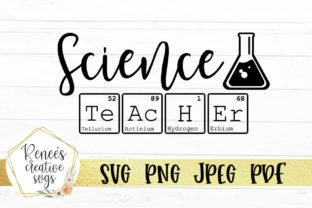
Science Teacher Design: A Crafter’s Practical Review
When evaluating a new machine embroidery design for my shop, I look beyond the digital preview. As an experienced designer and product reviewer, I need to know how a graphic translates from screen to fabric. The "Science Teacher" design caught my eye not just as a novelty, but as a potential staple for educational apparel and personalized gifts. In the world of Crafts and Graphics, versatility is key, and this design promises utility across clothing, decals, signs, and mugs. However, before I commit it to a sweatshirt or tote bag for a client, I have to assess its structural integrity and stitch-ability.
First Impressions and Visual Personality
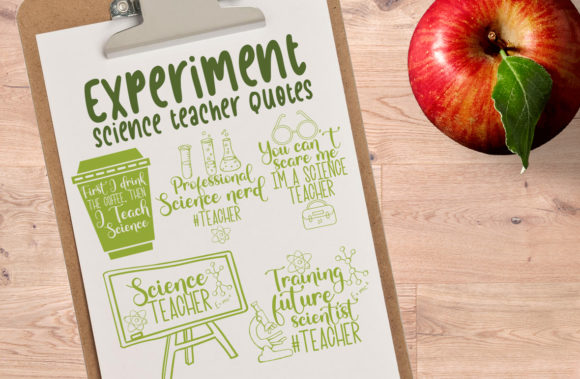
My initial assessment of Science Teacher reveals a design that balances academic professionalism with approachable creativity. The layout suggests a clear focal point, likely utilizing clean lines that are essential for embroidery. Unlike overly complex illustrations that turn into thread mud when stitched, this graphic appears to respect the limitations of needle and thread. The mood is celebratory yet structured, making it ideal for teacher appreciation gifts, department branding, or student club merchandise.
As a digital embroidery file, the inclusion of SVG, PNG, JPEG, and PDF formats indicates high adaptability. For us in the craft business, this means we aren't locked into a single medium. While my primary focus is stitching, having the matching PNG allows me to create cohesive printable mockups for Etsy listings or coordinate vinyl decals with embroidered items. This cross-media consistency builds brand trust and elevates the perceived value of the finished product.
Real-World Application: The Custom Sweatshirt Test
To truly judge this design, I mentally placed it on a mid-weight cotton blend sweatshirt intended for a high school chemistry teacher. This is a classic custom apparel scenario where durability and comfort matter as much as aesthetics. Sweatshirts have texture, and the design must sit flat without puckering.
In this application, Science Teacher serves as a left-chest placement or a centered back design. If used as a chest logo, the size constraint becomes the primary challenge. I would verify that the smallest text elements remain legible at 3x3 inches. If the design relies heavily on satin stitch borders, I would ensure they are wide enough to prevent fabric tunneling on the fleece interior. For a larger back print, the design has room to breathe, allowing fill stitch areas to showcase gradient shading without becoming bulletproof stiff. This balance is what separates professional sweatshirt embroidery from amateur attempts.
I also considered this design for a canvas tote bag design. Totes are popular Etsy seller items because they are practical and gift-worthy. Canvas is stable, which is forgiving for detailed graphics. Here, Science Teacher could be paired with a name or year using a complementary font. The key is ensuring the stitch density isn't so heavy that it distorts the bag's shape or makes it difficult to fold. A well-digitized version of this theme should use running stitches for fine details rather than dense fills, keeping the tote functional.
Navigating Fabric Challenges and Hoop Sizes
Not every project is a stable cotton sweatshirt. When applying Science Teacher to stretchy knits, performance wear, or dark fabrics, caution is required. Stretchy materials demand proper stabilizer selection; a cut-away stabilizer is non-negotiable here to prevent the design from warping after washing. If the design includes white or light-colored elements meant for dark garments, I must check if there is an underlay layer. Without adequate underlay, the dark fabric will show through the stitches, ruining the contrast and professional finish.
Hoop size compatibility is another critical checkpoint. Before purchasing or stitching, confirm the dimensions against your machine’s capabilities. If you plan to resize Science Teacher significantly, understand that scaling down can close up small gaps between letters, while scaling up can expose insufficient stitch coverage. Always test on scrap fabric first. This step saves expensive blanks and prevents customer disappointment. For baby embroidery or delicate items, ensure the design doesn't have rough backing or excessive jump stitches that could irritate sensitive skin.
Commercial Viability for Makers and Sellers
For the small shop product lineup, Science Teacher offers strong seasonal and evergreen potential. It fits perfectly into back-to-school rushes, graduation season, and holiday gifting. As a commercial embroidery asset, its broad appeal reduces the risk of dead stock. However, success depends on presentation. Use the provided transparent PNG to create realistic digital previews. Customers need to visualize the design on their specific item type before buying.
If you are selling physical goods, consistency is king. The way Science Teacher looks on a mug decal should feel related to how it looks on an embroidered patch. This visual language reinforces your shop's identity. For those selling the design assets themselves, clearly communicate the intended use cases. Does it work for caps? Is it suitable for leather? Providing these insights reduces support tickets and increases buyer confidence.
Designer Notes for Optimal Results
Based on my experience with similar educational themes, here are practical steps to ensure success with Science Teacher:
- Verify Licensing: Before listing any personalized gift or commercial item, double-check the license terms included with your files. Ensure you have the right to sell finished products versus just the digital file.
- Thread Color Contrast: Test the design in black and white mode in your software. If the design loses definition without color, it may rely too heavily on hue rather than value. Adjust thread colors to ensure readability on various fabric backgrounds.
- Stabilizer Strategy: Match your stabilizer to the fabric weight. Use tear-away for stable wovens and cut-away for knits. For towels or textured fabrics, consider a water-soluble topping to prevent stitches from sinking into the pile.
- Detail Inspection: Zoom in to 100% in your editing software. Look for tiny satin columns under 1mm or text smaller than 4mm. These are danger zones for production. Simplify or remove them if necessary.
- Mockup Testing: Create mockups on both light and dark backgrounds. This helps identify potential visibility issues before you thread a needle.
- Wash Testing: If creating holiday embroidery or items meant for frequent use, wash a test sample. Check for shrinkage, thread bleeding, or stabilizer residue.
Elevating the Handmade Standard
Ultimately, Science Teacher is more than just a graphic; it is a tool for connection. Whether you are creating a handmade product for a beloved educator or building a niche brand for science enthusiasts, the execution defines the value. By treating this design with technical respect—testing densities, choosing appropriate substrates, and verifying legibility—you transform a simple digital file into a cherished keepsake.
The intersection of Crafts and technology requires us to be both artists and engineers. This design provides the artistic foundation, but your expertise brings it to life. Take the time to understand its nuances, respect the materials, and always prioritize the end-user's experience. That is how we maintain the integrity of our craft and continue to delight customers with every stitch.