Chemistry Teacher: A Practical Embroidery Design Review
First Impressions: Smart, Playful, and Science-Ready
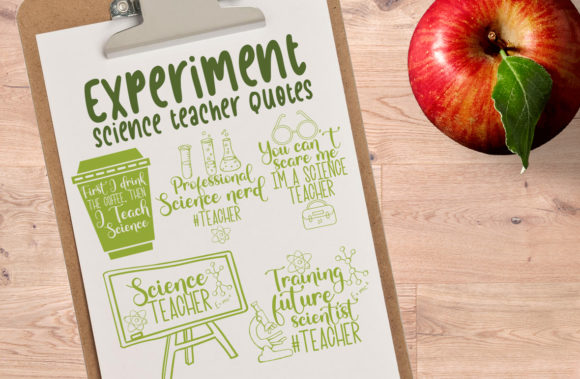
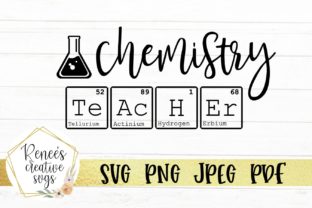
When I first opened the Chemistry Teacher design file, I was struck by its clean, educational vibe with a touch of whimsy. It’s not just a generic science motif—it feels like it was made for educators, students, and science enthusiasts who want to express personality through embroidery. The layout is balanced, with beakers, atoms, and molecular structures arranged in a way that feels intentional and not cluttered. It’s the kind of design that could work equally well on a tote bag for a teacher or a onesie for a baby science lover.
The visual personality leans more toward a modern minimalist style than a cartoonish one, which makes it versatile for different age groups and product types. It’s easy to imagine this design stitched onto a soft cotton apron for a boutique gift or as a standout element on a personalized sweatshirt.
Real-World Use: From Tote Bags to Baby Clothes
I tested the Chemistry Teacher design on a few different fabric types and product formats to get a sense of how it would hold up in real projects. Starting with a medium-weight cotton tote bag, the design stitched out cleanly with no distortion, even around the more detailed elements like the small text and beaker outlines. The stitch paths were logical, and there were no unnecessary overlaps or jumps that could cause thread breaks or misalignment.
When I moved to a baby onesie, I was a bit more cautious due to the stretch in the fabric. I used a lightweight cutaway stabilizer and reduced the tension slightly. The result was clean, with the design holding its shape and the satin stitches lying flat without puckering. It’s a good reminder that while the design itself is well-constructed, fabric choice and stabilizer selection still play a big role in the final look.
Where to Use It Carefully
While the Chemistry Teacher design is versatile, it does have some elements that require attention in specific scenarios. For example, the small lettering and fine lines around the molecular structures can get lost or distorted on very stretchy or textured fabrics like fleece or knits. I’d advise embroiderers to test on similar materials before committing to a final product.
Also, if you’re planning to use this on curved surfaces like caps or baby hats, make sure the hoop size accommodates the curve and that the design doesn’t have too many dense stitch areas in tight corners. The fill stitches are tight enough that they could cause slight rippling if not stabilized properly on curved or thin materials.
Design Impact: Elevating Products with Personality
One of the strongest aspects of the Chemistry Teacher design is how it enhances the perceived value of the finished product. Whether you're selling embroidered totes on Etsy or creating custom lab coats for a school science fair, this design adds a level of professionalism and niche appeal that can set your product apart.
From a customer perspective, it communicates both expertise and approachability—perfect for teachers or science-themed gifts. It also lends itself well to branding, especially for small shops or Etsy sellers focusing on educational or STEM-related items. The design is clean enough to look polished but playful enough to feel accessible, which helps build trust and engagement with buyers.
Practical Notes for Embroidery Designers
Before stitching out the Chemistry Teacher design on any customer-bound item, I always run a test on scrap fabric first. This helps identify any tension issues or stitch density problems early. I also recommend checking thread color contrast—especially if you’re using a dark fabric. Some of the lighter elements might get lost, so consider using a white or light gray thread for those details.
- Test the design on a variety of fabric types (cotton, knit, fleece, etc.)
- Check stitch density, especially in the beaker and molecular structure areas
- Verify hoop size compatibility with your machine and intended product
- Inspect small details like text and thin lines for clarity
- Try a black and white mockup to assess contrast and readability
- Compare how it looks on both light and dark fabric backgrounds
- Use a quality stabilizer to prevent puckering on stretchy materials
- Confirm licensing before using in commercial embroidery or digital product resale
Best Product Matches for Chemistry Teacher
This design really shines when used on products that combine function with personality. Here are a few standout applications I tried:
- Custom tote bags for teachers or lab assistants
- Personalized sweatshirts for science club members or graduates
- Baby onesies with a “Future Chemist” message
- Embroidered patches for lab coats or backpacks
- Holiday gifts like embroidered tea towels or pillow covers
- Boutique aprons for science-themed cafes or gift shops
Each of these applications brought out a different strength of the Chemistry Teacher design. On the tote bag, it looked clean and professional. On the baby onesie, it was charming and clever. And on the holiday tea towel, it added a unique, thematic touch that made the item feel special and handmade.
Final Thoughts: A Solid Addition to Your Design Library
Overall, the Chemistry Teacher embroidery design is a smart, well-structured file that works well across a range of real-life projects. It’s not just a novelty design—it has lasting appeal and practicality that make it a good investment for crafters, Etsy sellers, and small business owners alike.
As with any embroidery file, success comes down to testing, fabric selection, and proper setup. But the Chemistry Teacher design gives you a strong foundation to work with. If you’re in the market for a science-themed embroidery design that’s both fun and functional, this one deserves a close look.