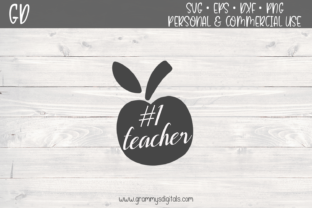
Number 1 Teacher: A Practical Embroidery Design for Real Projects
First Impressions: Cheerful, Clean, and Classroom-Ready
Opening the Number 1 Teacher design file, I immediately got that warm, teacher-appreciation vibe. It’s not overly playful or cartoonish, which makes it perfect for a more mature audience—think educators, mentors, or even proud parents. The layout is balanced, with bold lettering and a subtle star or trophy accent that adds visual interest without overwhelming the design. The style leans toward a modern, clean aesthetic with just enough detail to stand out on fabric but not so much that it becomes fussy.
Real-World Use: From Tote Bags to Sweatshirts
I tested Number 1 Teacher on a few different mockups to see how it would translate into real-life projects. Starting with a tote bag, the design held up well at a standard 4x4 hoop size. The lettering was crisp, and the small details like the star’s outline stitched cleanly. It looked great on a cotton tote with a medium-weight stabilizer. When I scaled it up for a sweatshirt, the design maintained its clarity, and the satin and fill stitches blended smoothly. I could easily see this being used for a back-to-school boutique collection or a personalized gift line for Teacher Appreciation Week.
Performance on Baby Clothes and Accessories
For baby items like onesies or burp cloths, I was cautious about the lettering thickness. On a 3x3 hoop, the smallest text started to blur a bit, especially on a stretchy knit fabric. I’d recommend using a no-show or lightweight stabilizer here to prevent distortion. That said, the overall design still reads clearly, and the cheerful theme fits right in with baby shower gifts or personalized teacher-themed nursery decor.
Where to Use with Care
Number 1 Teacher is best suited for flat, stable surfaces. On curved items like baseball caps or baby hats, the central text holds up, but the smaller design elements (like the star or trophy) may get lost or distorted, depending on the cap’s curvature and the hoop size. Similarly, on textured fabrics like towels or thick blankets, the finer satin stitches might not pop as much as they do on smoother materials.
Dark fabrics also require attention. The design doesn’t come with built-in thread color suggestions, so I recommend testing it on black or navy mockups to ensure readability. If you’re using it on stretchy or thin fabrics, check stitch density and consider using a soft cutaway stabilizer to prevent puckering or pulling.
Commercial Appeal and Etsy Readiness
As an Etsy seller or small shop owner, you’ll appreciate how versatile this design is. It works well as a standalone embroidery or as part of a layered design, especially when paired with simple borders or coordinating appliqués. The clean, professional look makes it suitable for both personal and small commercial use, assuming licensing allows it (always double-check before selling finished items).
The design also holds up well in printable mockups, which is a big plus for digital product sellers. You can easily create lifestyle images for your listings—think tote bags, mugs, or sweatshirts—without needing to tweak the design too much. This helps maintain brand consistency across your product line.
Stitching Clarity and Fabric Considerations
One thing I always test is how a design handles different thread color contrasts. Number 1 Teacher looks great in a single color, especially when stitched in bright hues like red or royal blue. But if you're aiming for a more custom look, adding a second color to the accent elements (like the star) can elevate the design for boutique-style items.
Stitch density feels appropriate for most home embroidery machines. There’s enough fill to make the design look solid without being overly heavy. That said, if you're using it on a very stretchy or delicate fabric, you may want to reduce density slightly or use a lightweight to medium stabilizer underneath.
Design Notes for Embroidery Designers
- Always test Number 1 Teacher on scrap fabric before committing to your final product.
- Review the design in black and white mockups to see how it will look on different fabric tones.
- Check the smallest text at your intended hoop size—some lettering may need slight adjustments for clarity.
- Use a quality stabilizer to maintain stitch integrity, especially on stretchy or thin materials.
- Confirm the design’s licensing before using it in commercial embroidery or digital product sales.
- Experiment with thread color combinations to match your brand palette or seasonal themes.
Final Thoughts: A Solid Design for Teacher-Themed Goods
Number 1 Teacher is a clean, versatile embroidery file that performs well across a range of real-world applications. It strikes a nice balance between professional and personable, making it a smart choice for custom apparel, personalized gifts, and small shop merchandise. While it has its limitations—especially on curved or textured surfaces—it’s a reliable option for any designer or craft business looking to offer teacher-themed products with a polished finish.
If you’re preparing for a seasonal launch, holiday gift line, or boutique collection, this design can easily become a staple in your embroidery library—especially when paired with coordinating elements or layered into a larger scene. Just remember to test, adjust, and stabilize as needed, and you’ll be stitching out happy customers in no time.