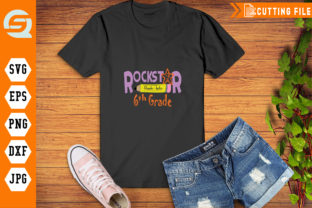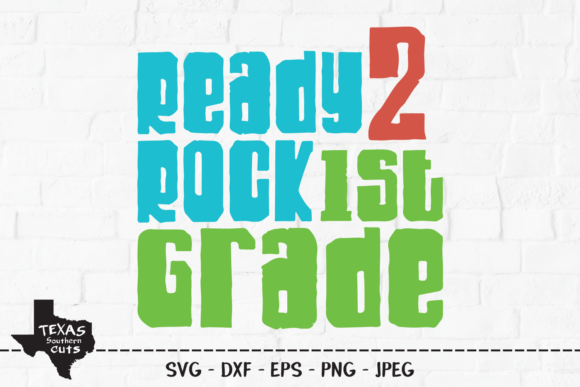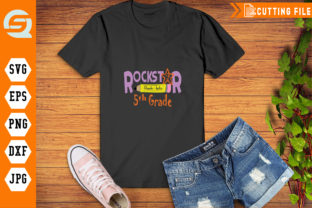
Rockstar Rock into 5th Grade: Embroidery Review
As a professional embroidery designer and product reviewer, I approach every new digital artwork with a specific question: will this actually stitch out well on real fabric? When evaluating the Rockstar Rock into 5th Grade School design, my focus shifts immediately from the screen to the hoop. This isn't just about cute graphics; it is about creating a viable handmade product that parents want to buy and kids are proud to wear. The transition to fifth grade is a significant milestone, often marking the move to middle school or the top of the elementary hierarchy. A design capturing this "rockstar" energy needs to balance bold visual appeal with technical embroidery integrity.
First Impressions and Design Personality
Upon loading the Rockstar Rock into 5th Grade School file into my editing software, the first thing I assess is the visual hierarchy. For back-to-school items, clarity is king. Parents and students need to read the grade level instantly from a distance. This design leans into a high-energy, celebratory aesthetic typical of the Crafts category, but as an embroiderer, I am looking at the architecture of the artwork. Does it rely too heavily on tiny details that might get lost in thread? Is the text legible when scaled down for a youth size?
The mood here is confident and loud, which translates beautifully to custom apparel. However, the "rockstar" theme often implies complex shading or gradients. In machine embroidery, we must ensure these are rendered through effective color blocking rather than excessive stitch density. If this is primarily an applique design, I look for clean placement lines and adequate tack-down stitches. If it is a straight stitch design, the satin stitch columns must be wide enough to prevent fabric tunneling but narrow enough to avoid stiffness. My initial assessment suggests this graphic has strong potential for sweatshirts and tote bags, provided the digitizer has respected the physical limitations of thread on fabric.
Real-World Application: The Custom Sweatshirt Test
To truly evaluate this asset, I mentally simulate a recent client project: a custom embroidered sweatshirt for a fifth-grade class party. This is a classic use case for Etsy sellers and small shop owners. The goal is a garment that feels soft, looks professional, and survives the washing machine.
When applying Rockstar Rock into 5th Grade School to a fleece sweatshirt, fabric texture becomes the primary variable. Fleece is lofty and can swallow fine details. If the design includes thin running stitch outlines or small decorative stars, they risk disappearing into the pile. In this scenario, I would verify if the embroidery file includes an underlay specifically designed for textured fabrics. Without proper underlay, the top stitches sink, and the "rockstar" vibe turns messy.
For this specific project, the design serves as a fantastic centerpiece. It offers enough coverage to justify the price point of a personalized gift without being so dense that it creates a bulletproof patch on the chest. For commercial embroidery businesses fulfilling bulk orders for schools, stitch count efficiency matters. A design that achieves maximum visual impact with optimized stitch density allows for faster turnaround times and lower thread consumption, directly impacting profit margins.
Navigating Fabric Challenges and Hoop Sizes
Not every project is a stable sweatshirt. As makers, we often receive requests for challenging substrates. Here is where practical judgment of Rockstar Rock into 5th Grade School becomes critical.
- Stretchy Knits and T-Shirts: If you are stitching this on lightweight jersey knit, stabilizer choice is non-negotiable. The rock-and-roll aesthetic might include jagged edges or dynamic angles. On stretchy fabric, these can distort if the hoop tension is uneven or if the stabilizer is insufficient. Always test on scrap fabric first to ensure the registration holds.
- Tote Bag Designs: Canvas tote bags are popular for fifth-grade book carriers. While canvas is stable, it is coarse. Ensure the design’s fill stitches have enough overlap to prevent the fabric weave from showing through. Conversely, check that the needle penetration won't leave permanent holes if the customer decides to remove the design later.
- Caps and Curved Surfaces: Be cautious using this design on caps unless it was specifically digitized for curved surfaces. Flat designs often distort when forced onto a cylindrical cap frame. If the artwork is tall or wide, it may not fit the limited vertical space of a standard cap hoop.
- Dark Fabrics: Rockstar themes often utilize bright neon or metallic thread colors. On dark garments, ensure there is a white underlay base included in the file. Without it, the dark fabric will bleed through light-colored threads, muddying the vibrant graphics.
Commercial Viability and Product Value
For Etsy sellers and creative entrepreneurs, a digital embroidery file is an investment. You need to know if Rockstar Rock into 5th Grade School will convert viewers into buyers. Visual appeal drives clicks, but stitching quality drives reviews. A design that looks pixelated or registers poorly in photos will hurt your brand consistency.
This design has high giftability because it targets a specific emotional moment. Fifth grade is a rite of passage. When listing finished products, use printable mockups to show the design on various items, but always supplement these with photos of actual stitched samples. Customers trust handmade shops that demonstrate real-world results. Show the back of the embroidery to prove there is no excessive jump stitching or bobbin thread mess. This transparency builds buyer engagement and justifies premium pricing.
Furthermore, consider the versatility of the graphics. Can elements be separated? Could the "5th Grade" portion be swapped for other grades to create a year-round revenue stream? Understanding the flexibility of your design assets helps maximize ROI for your craft business.
Essential Designer Notes Before Stitching
Before you commit this design to a final product or list it in your shop, run through this practical checklist. These steps separate hobbyists from professionals:
- Verify Licensing: Confirm whether the digital artwork license permits commercial use of finished products versus selling the digital file itself. Never assume; always check the item details.
- Check File Compatibility: Ensure the embroidery file format matches your machine. While most formats are universal, some proprietary machines require specific conversions that might alter stitch data.
- Test Stitch Density: Run a sew-out on the exact fabric you intend to sell. Feel the drape. If the design makes a t-shirt hang heavy or stiff, it needs editing. Comfort sells.
- Thread Color Contrast: Test the design in black and white mockups and grayscale thread tests. This reveals if the design relies solely on color contrast rather than value contrast to define shapes.
- Inspect Small Details: Zoom in to 400% in your software. Are there single-stitch jumps? Are satin stitches wider than 7mm? These are red flags for production issues.
- Wash Testing: For baby embroidery or items needing frequent laundering, wash your test sample three times. Check for thread shrinkage or stabilizer residue.
Final Thoughts for Makers
Rockstar Rock into 5th Grade School represents more than just a seasonal graphic; it is a test of your production standards. Whether you are creating a personalized gift for your own child or stocking your boutique with back-to-school merchandise, success lies in the details. Respect the fabric, honor the stitch physics, and validate the design through testing. By treating every digital download as a raw material that requires skilled craftsmanship to realize its potential, you elevate your work above generic mass production. That is the true mark of a professional embroidery business.