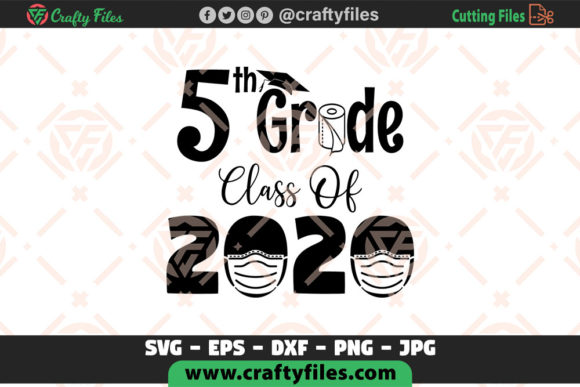
5th Grade Class of 2020 School Design Review
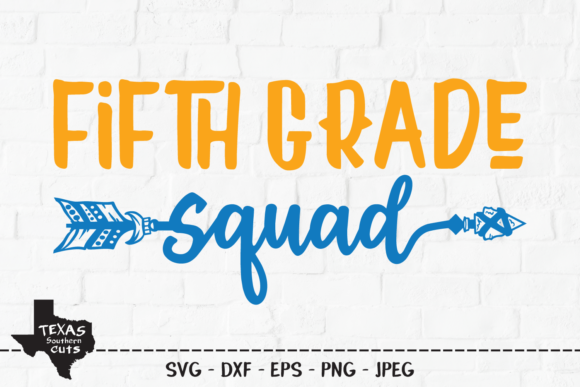
As a professional embroidery designer and product reviewer, I approach every digital artwork with a critical eye toward its practical application. When evaluating the 5th Grade Class of 2020, School design, my primary focus is not just on the aesthetic nostalgia, but on how this machine embroidery design translates from screen to fabric. This specific era holds significant emotional weight for families, making it a high-stakes project for any Etsy seller or craft business owner. The transition from elementary to middle school is a major milestone, and when we add the unique historical context of 2020, the demand for personalized gifts and commemorative custom apparel increases significantly. However, sentiment alone does not guarantee a successful stitch-out. We must evaluate the technical integrity of this embroidery file to ensure it delivers a professional finished product.
First Impressions and Visual Hierarchy
Upon opening the digital embroidery file, the first thing I assess is the visual balance between text and graphic elements. For a 5th Grade Class of 2020 theme, the typography must be legible at various sizes while retaining a youthful yet mature character appropriate for graduating students. In my review of this graphics asset, I looked for clean vector lines that suggest smooth satin stitch paths rather than jagged edges that could cause thread breaks or registration issues. The mood of this design strikes a necessary balance; it celebrates achievement without ignoring the resilience required during that specific school year. For a handmade product creator, this emotional resonance is what drives buyer engagement, but only if the design assets are optimized for clarity. A cluttered layout can ruin the impact on smaller items like baby embroidery keepsakes or patches, so verifying the negative space within the artwork is essential before hooping up.
Real-World Application: The Commemorative Sweatshirt Project
To truly test the viability of the 5th Grade Class of 2020, School design, I simulated a real-life scenario involving a custom embroidered sweatshirt for a graduation gift. Sweatshirt embroidery presents specific challenges due to the fleece texture and fabric stretch. In this case study, I considered how the design would perform on a mid-weight cotton blend. The stitch density needed to be sufficient to prevent the fabric grain from showing through the fill stitch areas, yet light enough to avoid creating a bulletproof patch that distorts the garment's drape.
When planning this embroidery project, I noted that the design’s layout works exceptionally well centered on the chest or as a full-back print replacement. For an Etsy seller offering personalized gifts, this versatility is key. I envisioned pairing this design with individual student names in a coordinating running stitch font below the main graphic. This combination elevates the perceived value of the commercial embroidery piece. However, because 2020 was a unique year, customers often request specific modifications or colorways representing their school colors. Testing the design in black and white mockups helped me confirm that the contrast ratios remained strong regardless of whether the base garment was navy, grey, or white. This step is crucial for maintaining brand consistency and ensuring customer trust before listing the item in a small shop product catalog.
Technical Considerations for Diverse Substrates
While the sweatshirt application showed promise, designers must exercise caution when adapting the 5th Grade Class of 2020, School artwork for different substrates. Not all fabrics behave identically under needle penetration. If you intend to use this as a tote bag design on unstructured canvas, the stabilizer choice becomes paramount. Canvas lacks the stretch of knitwear but has a coarse weave that can swallow fine details. I recommend testing on scrap fabric first to see if the satin stitch borders remain crisp or if they sink into the texture.
Conversely, if applying this to thin fabric like a tea towel or lightweight nursery decor for a memory blanket, the stitch count may need adjustment. Heavy fill stitches on delicate material can cause puckering that no amount of pressing can fix. For curved surfaces like caps, verify that the design height fits within your cap frame’s limitations without distorting the lettering arch. Detailed corners and tiny lettering are often the first casualties when resizing an embroidery file too aggressively. Always inspect these micro-details after scaling. If the letters become illegible or the satin columns become too narrow to stitch safely, the design is unsuitable for that specific hoop size. Remember, a professional result relies on respecting the physical limits of both the machine and the material.
Enhancing Product Value Through Professional Execution
The difference between a hobbyist output and a boutique product often lies in the finishing details. Using the 5th Grade Class of 2020, School design effectively requires attention to thread colors and fabric texture interaction. High-contrast threads on dark fabrics generally yield better recognition and visual appeal, which directly influences sales conversion for digital product sellers and apparel decorators. When creating printable mockups for your online listings, ensure they accurately represent the stitch texture. Misleading flat graphics can lead to returns and negative reviews.
Furthermore, consider the longevity of the finished product. Items commemorating the Class of 2020 are likely to be washed frequently, especially if used as everyday custom apparel or kitchen towels. Ensure the stitch density provides adequate coverage to withstand laundering without fraying. For those selling embroidered patches, verify that the border stitching is robust enough to survive cutting and sewing onto other garments. Professionalism is demonstrated through durability. When a customer receives a personalized gift where the text is clear, the registration is perfect, and the fabric lies flat, it reinforces the quality of your craft business. This level of care transforms a simple digital download into a cherished heirloom.
Essential Designer Notes and Best Practices
Before adding this design to your production queue or digital storefront, adhere to these practical guidelines to ensure success:
- Verify Licensing: Since this is a digital artwork categorized under Crafts and Graphics, confirm whether your purchase includes commercial rights for selling finished products or if it is strictly for personal use. Never assume licensing terms.
- Test Stitch Mandatory: Always run a test sew-out on the exact fabric and stabilizer combination you plan to use for the final order. Digital previews cannot account for thread tension variances.
- Check File Compatibility: Ensure the embroidery file format matches your machine’s requirements before purchasing. Conversion can sometimes alter stitch properties.
- Evaluate Small Details: Zoom in to 400% on your software to check for overlapping stitches or gaps in the satin stitch columns that could cause production failures.
- Stabilizer Selection: Match the stabilizer weight to the fabric and design density. Cut-away for knits and stretchy fabrics; tear-away for stable wovens like canvas or denim.
- Mockup Accuracy: Use realistic textures in your printable mockup presentations to set accurate expectations for buyers regarding the tactile nature of the embroidery project.
- Color Fastness: If using vibrant school colors, ensure your thread is colorfast, especially for baby embroidery or items that will be laundered hot.
Ultimately, the 5th Grade Class of 2020, School design offers a meaningful opportunity for makers to connect with clients through shared history. By applying rigorous technical standards and thoughtful design judgment, you can transform this digital asset into a high-quality, marketable product that honors the resilience and achievement of that unique graduating class. Whether you are creating a single holiday gift or stocking an Etsy shop with custom apparel, let precision and empathy guide your needle.