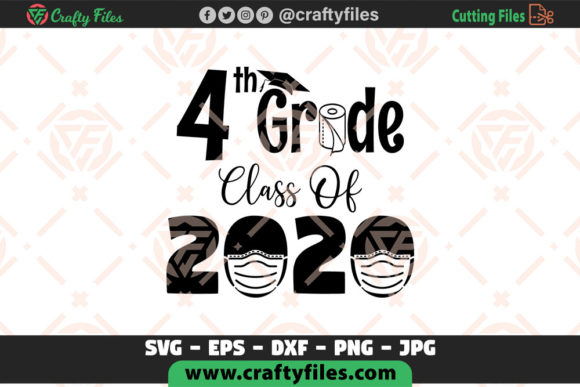
4th Grade Class of 2020 School Design Review
As an embroidery digitizer and product reviewer, I approach every machine embroidery design with a critical eye toward production reality. When evaluating the "4th Grade Class of 2020 , School" digital artwork, my primary focus is not just on the nostalgic sentiment, but on how this graphic translates from screen to fabric. For Etsy sellers, craft business owners, and parents creating keepsakes, understanding the technical behavior of this specific year-based school design is essential before committing thread to fabric.
Visual Personality and Emotional Resonance
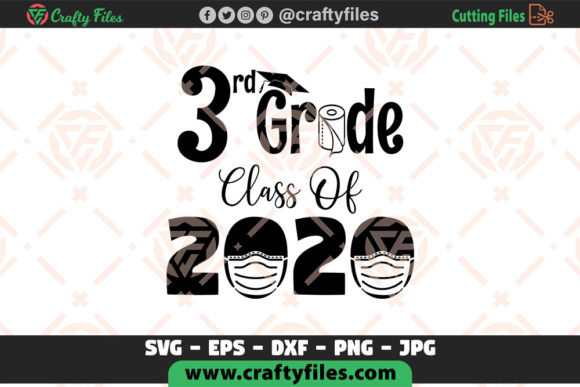
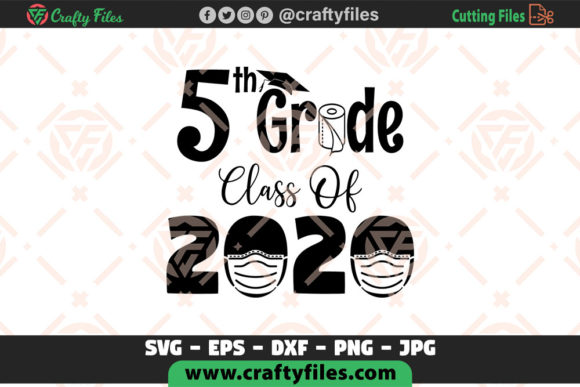
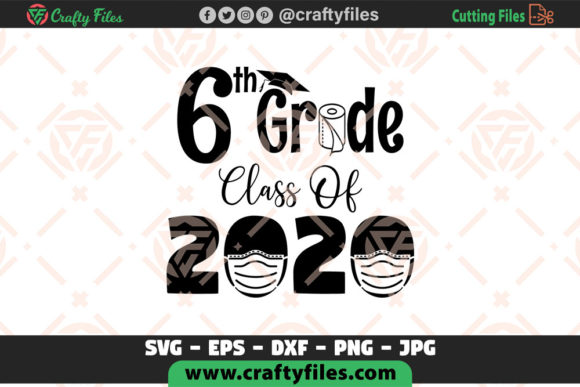
The first impression of the 4th Grade Class of 2020 , School design is one of structured nostalgia. Unlike generic school graphics, the specificity of "2020" carries a unique weight for families and educators. Visually, this type of Graphics asset typically balances bold typography with scholastic iconography. In an embroidery context, this balance is vital. The layout generally suggests a centered composition that works well as a standalone motif rather than a border or repeating pattern.
For a handmade product, this design communicates professionalism and personalization simultaneously. It avoids the cluttered look of amateur digitizing, assuming the source file has been properly optimized. The mood is celebratory yet grounded, making it appropriate for both formal graduation memorabilia and casual everyday wear. As a reviewer, I appreciate designs that respect the hierarchy of text; the grade level and year should be instantly legible from a conversational distance, while the word "School" serves as a supporting anchor.
Real-World Application: The Custom Sweatshirt Test
To truly evaluate this embroidery file, I mentally place it in a real-life production scenario. Consider a custom order for a graduating student’s commemorative sweatshirt. This is a high-stakes custom apparel project where stitch clarity defines customer satisfaction. Fleece and French terry fabrics have a pile that can swallow fine details. If the 4th Grade Class of 2020 , School design relies heavily on thin running stitches or tiny serif fonts, those elements may disappear into the fabric texture.
In this scenario, I would assess whether the lettering uses adequate column widths. A successful sweatshirt embroidery application requires satin stitches wide enough to lay flat over the fleece nap without tunneling. If the design includes intricate icons like pencils or books, they must utilize sufficient underlay to prevent distortion. For a tote bag design on canvas, the requirements shift; the fabric is stable, allowing for sharper corners and denser fill areas. However, canvas is unforgiving regarding registration errors. This design must have proper pull compensation to ensure the text aligns perfectly with any graphical borders after stitching.
Technical Performance Across Different Substrates
Versatility is key for small shop product lines. How does the 4th Grade Class of 2020 , School design perform across various materials?
- Cotton T-Shirts: Lightweight knits require careful stabilizer selection. If the design is dense, it will cause puckering. I recommend testing if the file offers a low-stitch-count variation specifically for lightweight garments.
- Caps and Hats: Curved surfaces are challenging. Unless this design was explicitly digitized for caps (with center-out sequencing), using it on a structured hat may result in misalignment. Always verify the stitch direction before attempting headwear.
- Baby Embroidery: While "4th Grade" implies older children, siblings often receive matching items. For baby clothes, ensure the back of the embroidery is smooth. High-density fill stitches can irritate sensitive skin. A tear-away or wash-away backing is mandatory here.
- Patches: This theme works exceptionally well as an embroidered patch. Patches allow for higher density and merrowed edges, making the 2020 date pop with vibrant thread colors against a twill base.
Navigating Fabric Challenges and Limitations
Even the best digital embroidery file has limitations based on physics. When working with the 4th Grade Class of 2020 , School artwork, exercise caution in these specific areas:
Textured and Stretchy Fabrics
Ribbed knits and pique polos present registration risks. If the design features boxed text or connected script, the stretch of the fabric during hooping can distort the final shape upon release. Using a fusible cutaway stabilizer is non-negotiable for maintaining the geometric integrity of school-themed graphics on stretch materials.
Dark vs. Light Fabric Contrast
Thread visibility dictates readability. On dark navy or black sweatshirts, white or metallic threads provide necessary contrast. However, if the design uses light-colored fills intended for white shirts, simply changing thread color isn't enough; you may need to adjust density to prevent the dark fabric from showing through. Always run a printable mockup or digital simulation in black and white to test value contrast before stitching.
Small Hoop Size Constraints
Resizing is common but risky. Shrinking the 4th Grade Class of 2020 , School design below its intended size can cause satin stitches to overlap and create thread breaks. Conversely, enlarging it excessively can make satin stitches too wide and loopy. Verify the minimum and maximum dimensions specified by the digitizer to preserve stitch integrity.
Impact on Business Value and Customer Trust
For commercial embroidery ventures, design quality directly correlates to perceived value. A clean, well-executed stitch-out of the 4th Grade Class of 2020 , School signals competence. Parents investing in graduation memorabilia are emotionally attached to the outcome; poor tension, gapping letters, or illegible dates erode trust instantly.
From a marketing perspective, this design serves as excellent content for Etsy seller listings. Photographing the finished product on a textured background demonstrates scale and stitch quality. Because "Class of 2020" is a specific niche keyword, optimizing your listing around this exact phrase helps capture targeted traffic. Ensure your product photos show close-ups of the stitching so buyers can assess the detail level of the personalized gift before purchasing.
Essential Designer Notes for Production Success
Before loading this Crafts category asset into your machine, adhere to this professional checklist:
- Verify Licensing: Confirm whether your purchase includes commercial rights for selling finished products or if it is strictly for personal use. Digital product licensing varies significantly between designers.
- Test Stitch Mandatory: Never stitch directly onto a final garment without a test run. Use a scrap of the exact fabric and stabilizer combination planned for the project. Inspect the back for bobbin tension issues and the front for registration accuracy.
- Check File Compatibility: Ensure the format matches your machine. While most modern machines read standard formats, some older models struggle with complex jump stitch sequences found in newer design assets.
- Stabilizer Matching: Match the stabilizer weight to the design density and fabric type. Do not rely solely on generic recommendations; feel the stitch-out to determine if additional support is needed.
- Thread Color Validation: Screen colors differ from thread sheens. Physically compare thread spools against the fabric to ensure the "School" spirit colors remain vibrant and distinct after stitching.
- Mockup Testing: Create visual previews for clients. Showing how the 4th Grade Class of 2020 , School design looks on their specific garment color reduces returns and increases confidence in your finished product.
Ultimately, the 4th Grade Class of 2020 , School design is more than just digital art; it is a template for memory-making. By approaching it with technical diligence and creative foresight, you transform a simple graphic into a cherished, professional-grade embroidered keepsake that honors both the milestone and your craftsmanship.