Ready 2 Rock 3rd Grade: A Designer's Stitch Test
As a professional embroidery designer and product reviewer, I approach every new graphic with a specific question: will this actually translate from screen to fabric without losing its charm? When evaluating the Ready 2 Rock 3rd Grade - School Design, my focus shifts immediately from digital aesthetics to structural integrity. This isn't just a cute graphic; it is a potential revenue stream for Etsy sellers and a sentimental keepsake for parents. My assessment treats this asset as a functional component of a handmade product, analyzing how its lines, shapes, and intended vibe perform under the needle.
First Impressions and Visual Personality
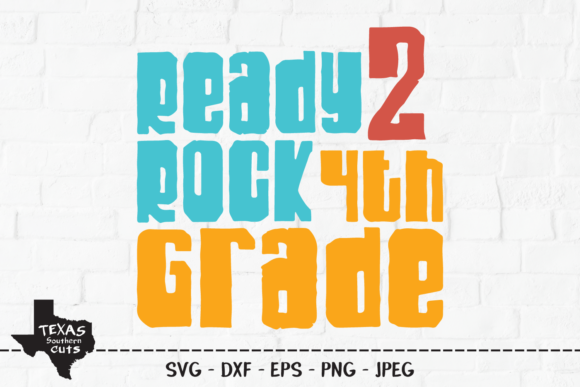
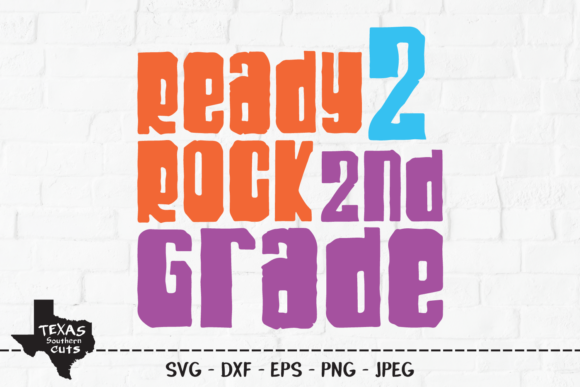
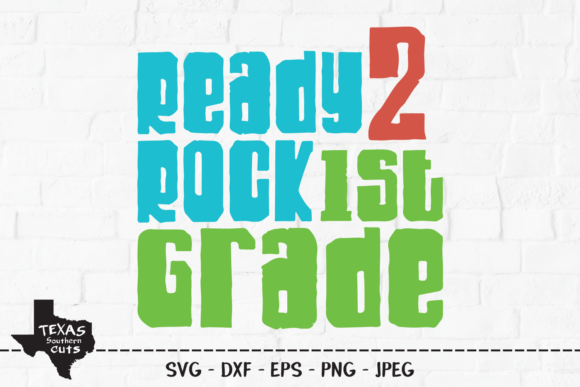
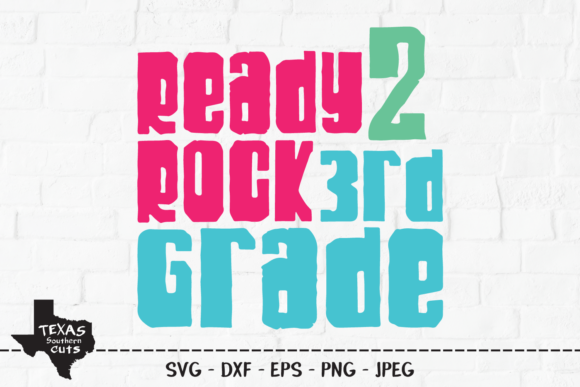
The initial mood of this design is energetic yet nostalgic. It captures that specific transition period where children move from early elementary into more structured learning. Visually, the layout suggests a bold, confident aesthetic suitable for custom apparel and school spirit wear. As a graphics asset, it balances playful elements with clear readability, which is crucial when scaling down for smaller projects or up for statement pieces. For a craft business owner, this visual personality signals versatility. It doesn't feel overly juvenile, making it appropriate for third graders who are starting to develop their own distinct style preferences. The composition implies that it will serve as an excellent focal point for sweatshirts, tote bags, or personalized backpack tags.
Real-World Application: The Back-to-School Sweatshirt Test
To truly judge this machine embroidery design, I mentally placed it in a real-life production scenario: creating a custom back-to-school sweatshirt for a client’s child. In this context, the design needs to withstand not only the stitching process but also the scrutiny of an eight-year-old and the rigors of playground wear. I envision hooping a mid-weight cotton fleece and positioning this design center-chest. The "Ready 2 Rock" theme demands confidence in the stitch-out. If the lettering is too thin or the graphic elements lack definition, the message gets lost in the fabric texture.
For this specific application, I would treat this as a primary sweatshirt embroidery project. The goal is to create a finished product that looks professional enough to sell at a boutique price point. Parents want to see crisp edges and vibrant thread colors that pop against heather gray or navy fleece. This design’s layout suggests it has enough visual weight to anchor the garment without requiring excessive stabilizer that might make the chest area stiff and uncomfortable. It strikes the right balance for a personalized gift that feels high-end rather than homemade in the pejorative sense.
Fabric Considerations and Technical Constraints
While the digital files provide the roadmap, the destination depends entirely on your substrate. When working with this design, you must consider where caution is necessary. I would advise against using this on highly textured fabrics like terry cloth or deep-pile towels unless you plan to use a water-soluble topping; otherwise, the finer details of the school-themed elements may get swallowed by the loops. Similarly, stretchy performance fabrics require careful attention to stitch density. If the design contains dense fill areas, stretching the fabric during hooping can lead to puckering once the garment relaxes.
Small hoop sizes present another challenge. Before committing to a cap or a baby onesie, verify the dimensions. Complex graphics often lose legibility when reduced below a certain threshold. If you are targeting the baby embroidery market, ensure the design simplifies well. Tiny text elements that look sharp on a monitor can become thread nests on a 4x4 hoop. For curved surfaces like caps, check if the design’s vertical height fits within your frame’s limits without distorting the aspect ratio. Always test on scrap fabric first, especially when working with dark fabrics where thread contrast can alter the perceived weight of the design.
Evaluating Digital Assets for Production
The included digital items offer significant flexibility for both production and marketing. The package contains one SVG file, one DXF file, one EPS file, and high-resolution PNG and JPEG files at 300 dpi. For the embroiderer, the vector formats (SVG, DXF, EPS) are invaluable. Although the text is not editable, having vector paths allows you to inspect the node structure in Illustrator or compatible software. This transparency helps you anticipate how the machine embroidery design was constructed before you even thread your needle. You can identify potential jump stitches or dense clusters that might need adjustment for your specific machine.
From a business perspective, the 300 dpi PNG with a transparent background is a workhorse for printable mockups. As an Etsy seller or small shop owner, presenting this design professionally is half the battle. You can overlay this high-quality image onto blank apparel templates to create realistic listings without stitching every single variation. The white background JPEG serves as a clean reference for clients or for printing physical proofs. However, remember that these are graphics files, not native embroidery formats like PES or DST. You will need digitizing software to convert these vectors into a stitch file, giving you complete control over stitch type, density, and underlay tailored to your specific project.
Commercial Viability and Brand Consistency
For creative entrepreneurs, consistency builds trust. Using Ready 2 Rock 3rd Grade - School Design across multiple products creates a cohesive collection. Imagine pairing an embroidered patch on a denim jacket with a matching tote bag design for a complete back-to-school bundle. This cross-product application increases the average order value and reinforces your brand’s aesthetic. The design’s theme is specific enough to target a niche audience—third-grade parents and teachers—yet broad enough to allow for creative interpretation in colorways and placement.
When selling finished items, the quality of the stitch-out directly impacts customer perception. A clean, well-executed design communicates professionalism. Conversely, poor registration or tension issues devalue the item. Because this design carries a specific grade-level identifier, accuracy is paramount. Parents are particular about these milestones. Ensuring the design renders clearly and durably ensures positive reviews and repeat business. Always confirm licensing terms regarding commercial use before listing items for sale to protect your business assets.
Practical Notes for the Embroidery Studio
Before launching this design into full production, run through a practical checklist. First, validate your hoop size against the final dimensions of the converted stitch file. Second, select the appropriate stabilizer based on fabric weight; cutaway for knits, tear-away for wovens. Third, review thread colors against the actual fabric swatch, not just the screen preview. Lighting conditions and fabric dye lots can shift color perception significantly. Fourth, if offering this as part of a commercial embroidery service, document your successful settings. Note the needle size, thread brand, and tension adjustments that yielded the best result. This saves time on future reorders.
Finally, consider the longevity of the product. School gear gets washed frequently. Ensure your top thread and bobbin thread are colorfast and durable. Test wash a sample to check for shrinkage or distortion. A design that looks perfect fresh out of the hoop but warps after one laundry cycle will damage your reputation. By treating Ready 2 Rock 3rd Grade - School Design with this level of technical scrutiny, you elevate it from a simple digital download to a reliable, profitable component of your embroidery business. Whether you are crafting a singular holiday gift or stocking your shop for the autumn rush, practical preparation ensures the final stitched product rocks just as hard as the digital promise.