100 Days Smarter School: An Embroidery Review
As a professional embroidery designer and product reviewer, I approach every new graphic asset with a specific question: will this actually stitch out cleanly on real fabric? When evaluating the 100 Days Smarter School design, my focus shifts immediately from the screen to the hoop. This milestone celebration is a staple for parents, teachers, and Etsy sellers during the mid-year school season, but visual appeal on a monitor does not always translate to a successful machine embroidery design. Having worked extensively with educational graphics and children’s apparel, I am reviewing this asset through the lens of practical application, commercial viability, and technical performance for small business owners and makers.
First Impressions and Design Personality
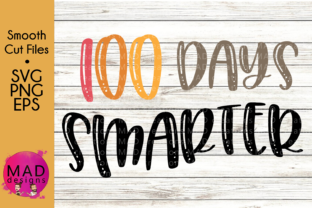
The 100 Days Smarter School graphic carries a distinct mood of celebratory achievement without being overly chaotic. In the realm of Crafts and Graphics, school milestone designs often suffer from excessive detail that gets lost in translation to thread. However, this design feels balanced. The layout suggests a clear hierarchy, which is critical when converting vector art into stitches. Visually, it strikes a tone that is playful yet structured enough for a classroom setting or a boutique listing.
For an Etsy seller or craft business owner, the aesthetic versatility matters. This design does not look like generic clipart; it has the potential to serve as a premium personalized gift or a high-value addition to a seasonal shop collection. The personality is bright and optimistic, making it ideal for products intended to capture memories. Whether you are creating custom apparel for a specific student or stocking general inventory for the 100th day of school, the visual weight appears appropriate for both light cotton tees and heavier sweatshirt materials.
Real-World Application: The Custom Sweatshirt Test
To truly evaluate this asset, I mentally placed it in a real-life production scenario: creating a custom crewneck sweatshirt for a first-grade class party. This is a common request for apparel decorators and requires careful consideration of fabric interaction. Sweatshirts are typically fleece-backed and have a degree of stretch and texture that can distort intricate designs.
In this scenario, the 100 Days Smarter School design needs to perform as a centerpiece. If the graphic relies heavily on tiny text or thin lines, it risks disappearing into the fleece pile or causing registration issues where colors fail to align perfectly. Based on the provided file types (SVG, DXF, EPS, PNG), this asset offers the flexibility needed for resizing, but the stitch-out success depends on how those vectors are digitized. For a sweatshirt embroidery project, I would prioritize bold elements over fine details. If the design includes an applique design component, it would be ideal for reducing stitch count while maintaining size and impact on textured fabrics. Without applique, ensuring adequate stitch density is vital to prevent the fabric texture from showing through the thread.
From a customer reaction standpoint, parents want readability in photos. A design that looks crisp on a laptop might look muddy on heather gray fleece. Therefore, testing this specific graphic on a scrap of similar weight fabric is non-negotiable before accepting bulk orders. The goal is a finished product that looks professional and durable enough for playground wear, not just a single photo op.
Technical Considerations and Fabric Limitations
While the 100 Days Smarter School theme is universally appealing, technical execution varies by substrate. As an experienced reviewer, I must highlight where caution is required. This design likely performs best on stable, medium-weight woven fabrics like quilting cotton for tote bag design projects or pillow covers. These surfaces provide a solid foundation for satin columns and fill stitches.
However, use this design carefully on stretchy knits, sheer fabrics, or highly textured terry cloth. If the graphic contains dense fill areas, it may cause puckering on thin jersey knits unless you use a heavy-duty stabilizer and potentially a topping. For baby embroidery items like onesies, the design scale must be reduced significantly. Here, the challenge lies in maintaining legibility. Small lettering in "100 Days Smarter" motifs often requires simplification; if the source file has not been optimized for micro-text, you may need to edit the nodes or swap fonts to ensure the embroidery file produces clean characters rather than thread nests.
Additionally, consider the hoop size limitations. Milestone designs can sometimes be wide. Ensure your machine can accommodate the full width without excessive re-hooping, which introduces alignment risks. If you plan to use this for embroidered patch production, verify that the border elements are suitable for merrowed edges or heat-cut finishing. Dark fabrics also present a contrast challenge; if the design lacks a white underlay or outline, colors may blend into black or navy garments, reducing visual pop and perceived value.
Commercial Value and Brand Consistency
For creative entrepreneurs, the 100 Days Smarter School asset represents more than just a cute graphic; it is a revenue driver during a specific seasonal window. The inclusion of SVG, DXF, EPS, and PNG formats indicates strong utility for mixed-media businesses. You can use the PNG for printable mockup creation to test market demand before stitching a single sample. This reduces waste and allows for faster listing updates on platforms like Etsy.
Brand consistency is key for small shop product lines. If your shop focuses on minimalist aesthetics, ensure this design aligns with your existing portfolio. A jarringly complex school graphic might alienate customers who trust your brand for clean, modern handmade product offerings. Conversely, if you specialize in vibrant, detailed kids' gear, this design should meet that expectation of quality. Professionalism in commercial embroidery comes from selecting assets that match your machine’s capabilities and your brand’s promise. Buyers engage with listings that show clear, well-lit photos of actual stitch-outs, not just digital renders. Using this design effectively means showcasing its texture and dimension, proving to the customer that the digital embroidery file translates to a tangible, high-quality keepsake.
Essential Designer Notes for Success
Before adding 100 Days Smarter School to your production queue, adhere to these practical guidelines derived from professional experience:
- Verify Licensing: Always confirm the specific commercial license terms included with the download. Just because a file is available does not automatically grant permission to sell finished custom apparel or distribute the raw design assets.
- Test Stitch-Outs: Never run this design directly on a client’s garment first. Use scrap fabric that matches the weight and weave of your final project to check for puckering, registration errors, or thread breaks.
- Check Thread Colors: Monitor colors differ from thread sheens. Print a color chart or run a test to ensure the palette reads correctly on your chosen fabric background, especially for holiday embroidery or seasonal themes where specific shades matter.
- Evaluate Stabilizer Pairing: Match your backing to the fabric, not just the design. Stretchy fabrics require cut-away stabilizer for longevity, while tear-away may suffice for stable tote bags. Proper stabilization preserves the integrity of the embroidery project.
- Inspect Small Details: Zoom in on the vector files. If text elements are thinner than 1mm, they may need to be modified or replaced with machine-friendly fonts to prevent needle damage or poor coverage.
- Mockup Testing: Create black and white mockups to assess contrast independent of color. This helps identify if the design relies too heavily on hue differentiation rather than value contrast, which is crucial for accessibility and visual clarity.
- Format Compatibility: While SVG, DXF, EPS, and PNG are versatile, ensure your specific embroidery software or machine can import them correctly for digitizing or editing. Not all machines read vector formats natively without conversion.
Ultimately, 100 Days Smarter School holds significant promise for makers and sellers willing to apply technical diligence. By respecting the relationship between digital art and physical thread, you can transform this graphic into a profitable, professional, and cherished embroidery project that celebrates academic milestones with genuine craftsmanship.